
In the Tapajós River region, forest communities are proving that conservation and livelihoods can thrive together – one hive at a time.
A Forest Tradition Reimagined
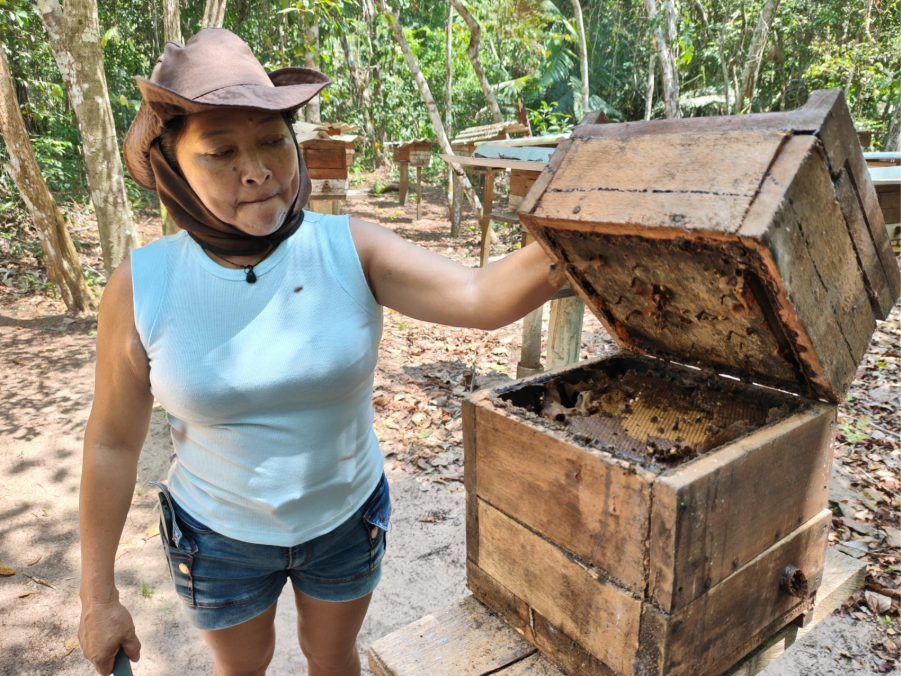
In the forests along Brazil’s Tapajós River, where the canopy filters sunlight onto the rich forest floor, Joelma Lopes keeps her colonies of native stingless bees. When she was a child, her uncles would track wild bee colonies through this same patch of forest to harvest honey occasionally. Now those same bees live in organized hives outside her home, and the honey they produce goes through a professional supply chain that connects her family to national and international markets.
In 2018, Joelma joined a training program run by local NGO Projeto Saúde e Alegria (PSA) for those interested in producing honey. Since then, what began as a childhood memory has transformed into a viable livelihood; not just for Joelma, but for dozens of families across the Tapajós basin who are rewriting the economic possibilities of forest living. “It was that first training session that helped me understand the value and importance of bees,” Joelma reflects. “I started to love the work and wanted to do more.”
From Forest Floor to Market: A Value Chain Takes Shape
The transformation didn’t happen overnight. When PSA first offered training in honey production, harvesting was still done the old way: simple bowls, improvised sieves, and hope that the product would find buyers. Today, specialized tools ensure quality control, proper labelling guarantees traceability, and processing happens not in home kitchens but at Acosper, the Cooperative of Agroextractivist Workers of Western Pará.
“The Amazonian people’s health kit consists of honey, and andiroba and copaiba oils,” jokes Davide Pompermaier, head of PSA’s Forest Economy Program, referring to traditional forest oils used for medicinal purposes, before turning serious about the stakes. “Bees are a creature without which there would be no more forest.”
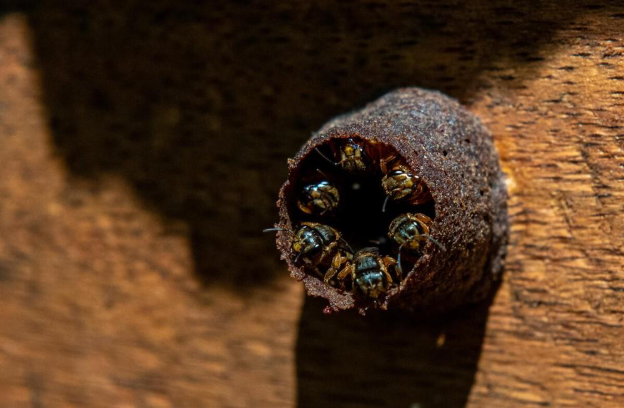
The technical assistance provided by PSA, in partnership with Acosper and with support from WWF, introduced standardized beehives that make harvesting easier and more productive. They developed a website and visual identity. And crucially, they created pathways to market that bypass exploitative middlemen.
“We are talking about families who live in the forest, and honey is becoming an important source of income for them,” Pompermaier notes. “These are primarily women-led enterprises.”
The Bigger Picture: Socio-Bioeconomy as Counter-Narrative
Honey production is just one thread in a larger tapestry being woven across the Tapajós basin, a 49.2-million-hectare region that serves as a critical green barrier against deforestation creeping northward from Brazil’s Cerrado savannahs. About forty percent of this territory is protected: indigenous lands, traditional community areas, and settlements where people like Joelma are testing whether forests can compete economically with the chainsaws and cattle.
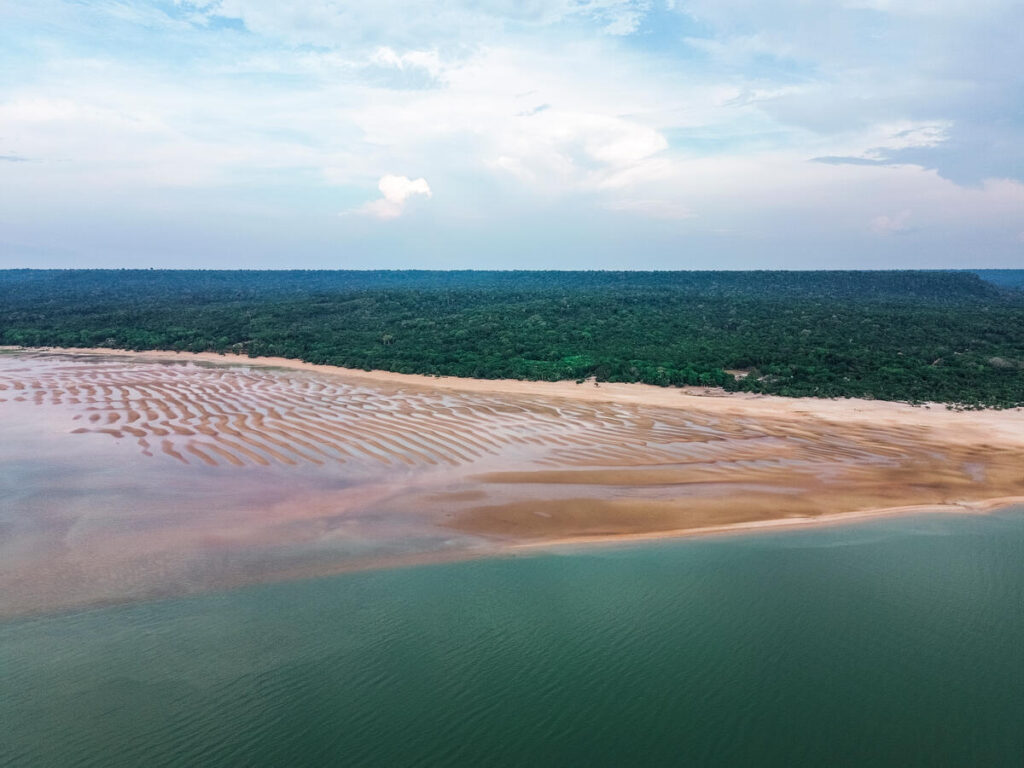
But economic competition isn’t the only challenge. The Tapajós region is increasingly vulnerable to severe droughts that strike at the heart of forest-dependent livelihoods. When the rivers run low, the negative impacts cascade: crops fail, açaí palms produce fewer fruits, flowers become scarce and honey yields plummet, there are no fish to catch, and riverside communities find themselves cut off, unable to travel by boat to markets along routes that have sustained them for generations.
This climate reality makes income diversification not just economically smart, but essential for survival. By supporting multiple value chains — honey, açaí, natural rubber, Brazil nuts — communities build resilience that single-crop dependence can never provide. When drought reduces honey production, other income streams help families weather the crisis. And while agroforestry systems with higher tree biodiversity don’t eliminate drought impacts, they do offer some increased resistance compared to monocultures.
For over a decade, WWF has supported what’s being called “socio-bioeconomy”, a model that integrates economic growth with environmental conservation and social inclusion. The approach values indigenous peoples’ and traditional communities’ knowledge and livelihoods, focusing on non-timber forest products (NTFPs) that can create higher-value exports, generate stable jobs, and empower communities without destroying the resource base.
It’s an alternative to the predatory model threatening the Amazon: logging, conventional agribusiness, and the land conflicts that follow them. The value chains WWF supports — including natural rubber, Brazil nuts, babassu, baru nuts, and stingless bee honey — are designed to be sustainable, equitable, and inclusive, with biodiversity at their core.
Ecocentro: Infrastructure Meets Intention
Turning forest products into attractive market goods requires more than good intentions. It requires infrastructure — and that’s where the Ecocentro da Sociobioeconomia comes in.
Launched in Santarém, western Pará, through collaboration between Acosper, the Santarém Rural Workers Union, and PSA, Ecocentro represents a fundamental shift in how forest products move from harvest to consumer. What started as a site for rubber storage and cashew nut processing now houses high-tech equipment for honey fermentation, vegetable oil extraction, fruit pulp preservation, forest seed drying, and product storage.
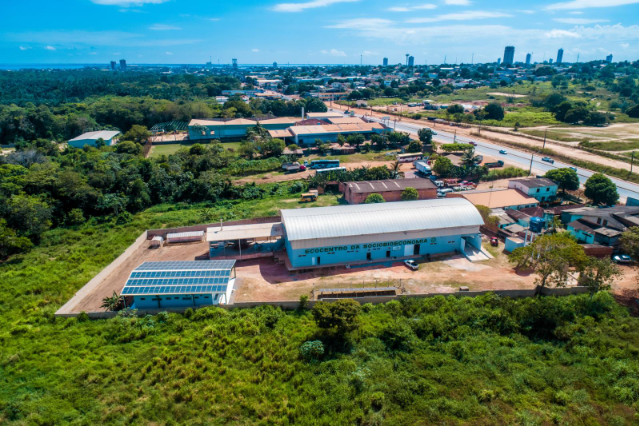
WWF provided guidance on value chain selection and co-funded critical infrastructure including a solar power system and cold storage room. With backing from the Landscape Resilience Fund (LRF), technical assistance has expanded to include business management capacity building and development of a comprehensive business and governance plan, scheduled for completion in 2026.
In October 2025, construction of a new seed dryer was completed, with expectations that processing capacity will significantly increase in coming years. LRF also supported expansion of oilseed processing infrastructure to meet growing demand.
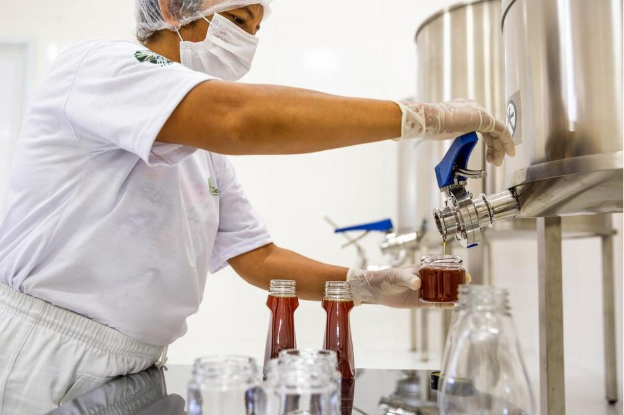
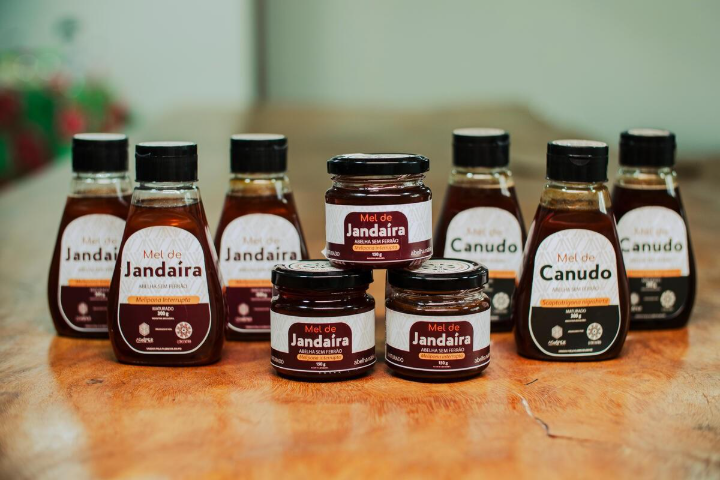
On the left: Honey being bottled at Ecocentro. Photo credit: © Tatiana Cardeal / WWF. On the right: Stingless bee honey ready for sale. Photo credit: © Tatiana Cardeal / WWF.
“The cooperative model, combined with the Ecocentro processing hub, guarantees technical support, organization, and better incomes for producers,” explains Acosper president Manoel “Peixe” Matos. “The cooperative brings together women, men, and young people from various local and indigenous communities. We offer training on best practices, cooperative principles, and processing, ensuring quality and traceability.”
Current products flowing through Ecocentro include andiroba and copaiba oil, cupuaçu butter, natural rubber, forest seeds for restoration, and honey from native bees. All products are traceable back to the communities that produced them.
Markets That Matter
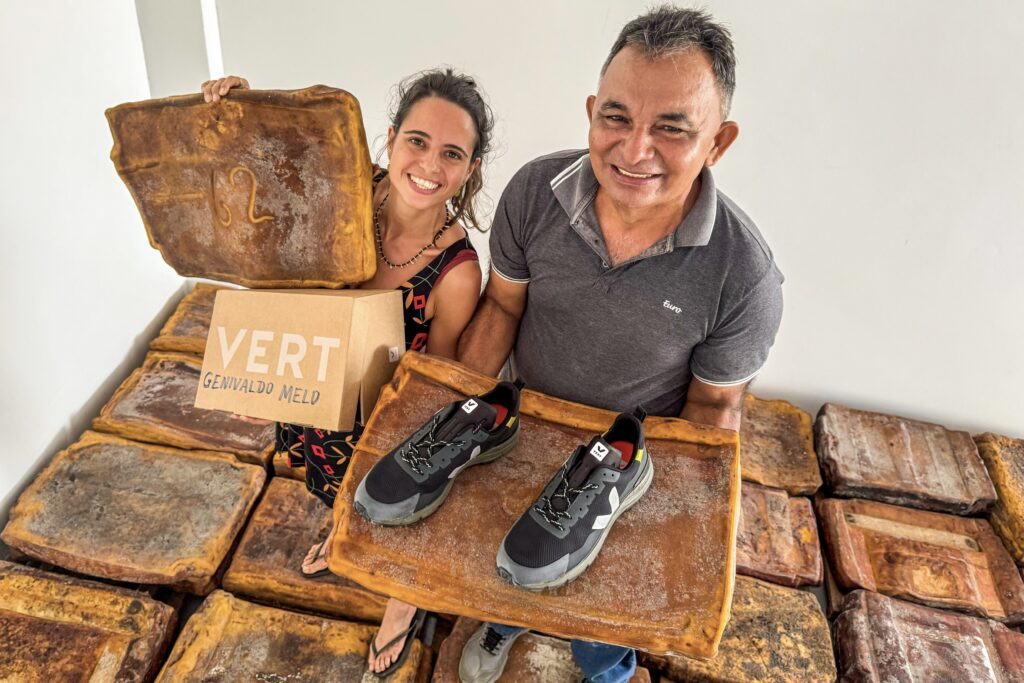
Processing capacity means little without market access, and Ecocentro has built partnerships with buyers who understand the value proposition. Twenty commercial partnerships now include Natura, Brazil’s largest cosmetics company, and Veja, a French shoe manufacturer purchasing sustainable natural rubber.
WWF and LRF continue seeking new buyers for community products and plan to organize trips to Ecocentro for Brazilian and international companies in 2026, showcasing not just products but the model itself.
What Success Looks Like
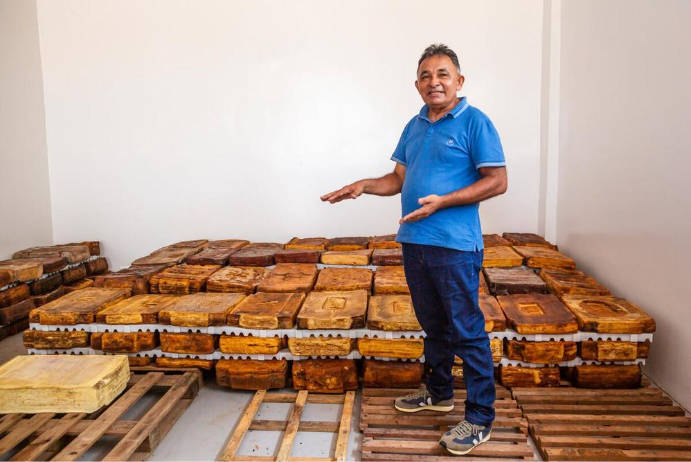
The vision for Ecocentro extends beyond current operations. The goal is an integrated regional hub that can serve various community businesses, access new markets, expand the supplier base, strengthen productive and commercial strategies, adopt relevant standards and certifications, and maintain strong connections with national and international buyers. All while keeping participatory community leadership at the centre.
Back in the forest, Joelma’s bees continue their ancient work with modern support systems. What her uncles once harvested occasionally from wild colonies now flows through a value chain designed to prove that forest conservation and economic opportunity aren’t mutually exclusive.
Across families, villages, tributaries, collectives, and cooperatives, the message is taking hold: the forest, managed wisely and valued properly, can deliver more than it could ever yield through destruction. With backing from WWF and LRF, communities are uniting to deliver forest-friendly products that will secure a sustainable and reliable future. One hive, one harvest, one partnership at a time.
The Amazon’s future may well be written not in the language of extraction and exploitation, but in the quiet hum of stingless bees and the communities who have learned to listen.
—
Cover photo: Riverside community by the Tapajós river. Photo credit: © Adriano Gambarini / WWF.