Between 2021 and 2025, the Landscape Resilience Fund – jointly with WWF and South Pole – facilitated the deployment of technical assistance grants to nine climate-resilient SMEs across seven countries. The results speak for themselves: USD 5.8 million in private capital mobilised, over 3,000 farmers trained in regenerative practices, and expanded market access for the majority of enterprises supported. An independent evaluation confirmed that structured pre-investment support can be one of the most catalytic tools in climate adaptation finance.
The climate adaptation financing gap continues to widen. In 2023, public adaptation finance flows were tracked at USD 26 billion and private sector flows at just USD 5 billion. This is only a fraction of the estimated USD 310-365 billion per year that developing countries will need by 2035. While global attention often focuses on large-scale infrastructure and mitigation, some of the most effective climate solutions are being built by small and medium enterprises (SMEs) working directly with vulnerable farming communities. These businesses know their landscapes, understand the risks, and are developing practical, locally-rooted approaches to building resilience. What they often lack is not ambition, but the investment-readiness needed to attract the private capital required to scale.
This is the gap that the Landscape Resilience Fund (LRF) set out to address through its GEF-funded Technical Assistance (TA) program. Supported by the Global Environment Facility’s Least Developed Countries Fund (LDCF) and Special Climate Change Fund (SCCF) and WWF as GEF Agency, and selected as part of the inaugural cohort of the GEF Challenge Program for Adaptation Innovation, the program was designed with a clear hypothesis: that relatively small, targeted grants focused on business fundamentals could unlock large flows of private investment into climate-resilient value chains.
From coffee to açaí: nine enterprises, eight value chains, seven countries
Over four years, the programme helped provide pre-investment support to nine SMEs spanning Brazil, Ethiopia, Ghana, Kenya, Tanzania, Uganda, and Vietnam. Five operate in Least Developed Countries and three are women-led. Each enterprise received tailored assistance designed to address the specific barriers standing between them and investment readiness.
The portfolio is strikingly diverse. In Kenya, Long Miles Coffee is training farmers in regenerative coffee practices and deploying a network of ‘Coffee Scouts’ who expand farmer supply chains and collect impact data in their local communities. In the Brazilian Amazon, Nossa Fruits is redefining sustainable açaí production, building the traceability systems and environmental management frameworks needed to construct a renewable energy-powered açaí processing factory in the Amazon. In Ghana, women-led start-up Talmond is pioneering the commercial cultivation of tropical almonds and ancient grains through regenerative agroforestry, turning underutilised, drought-resistant crops into climate-resilient livelihoods for smallholder farmers.
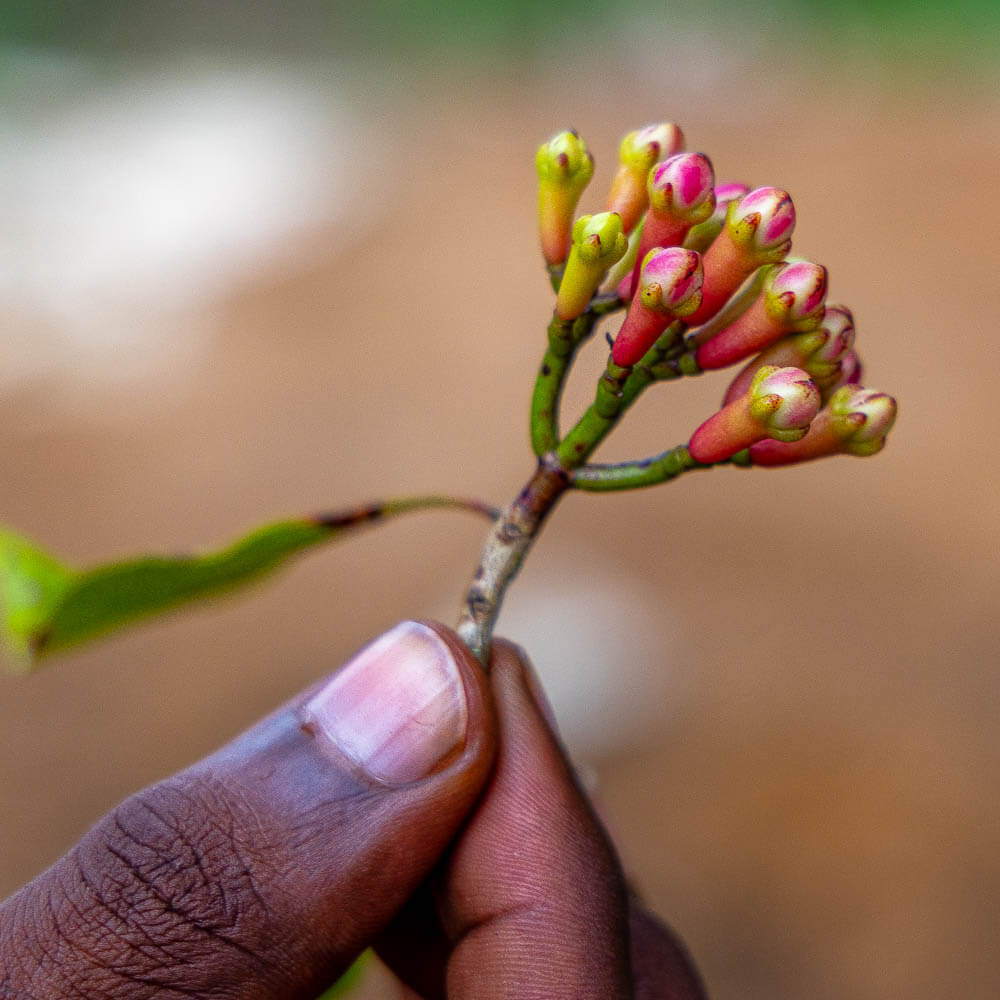
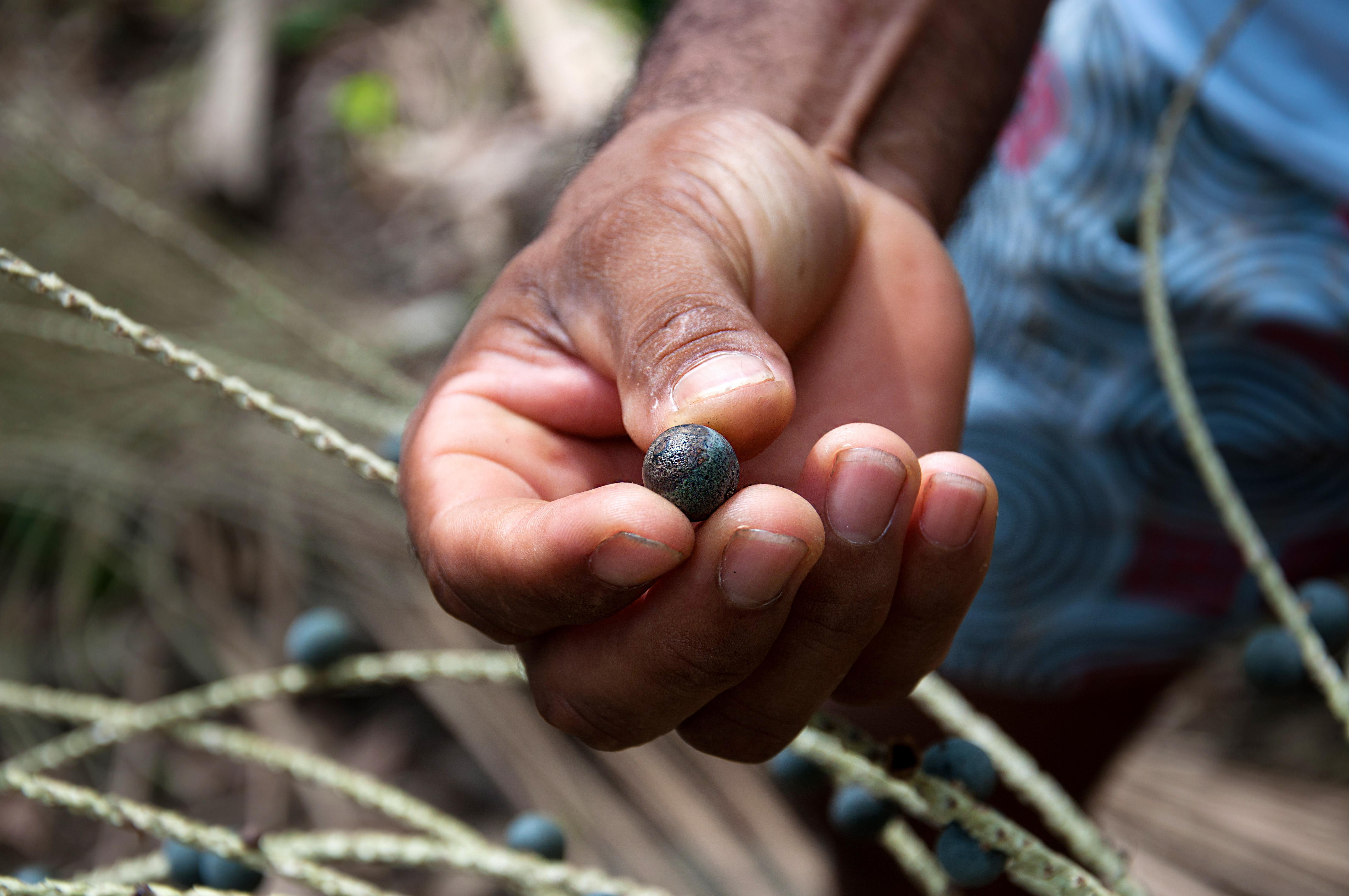
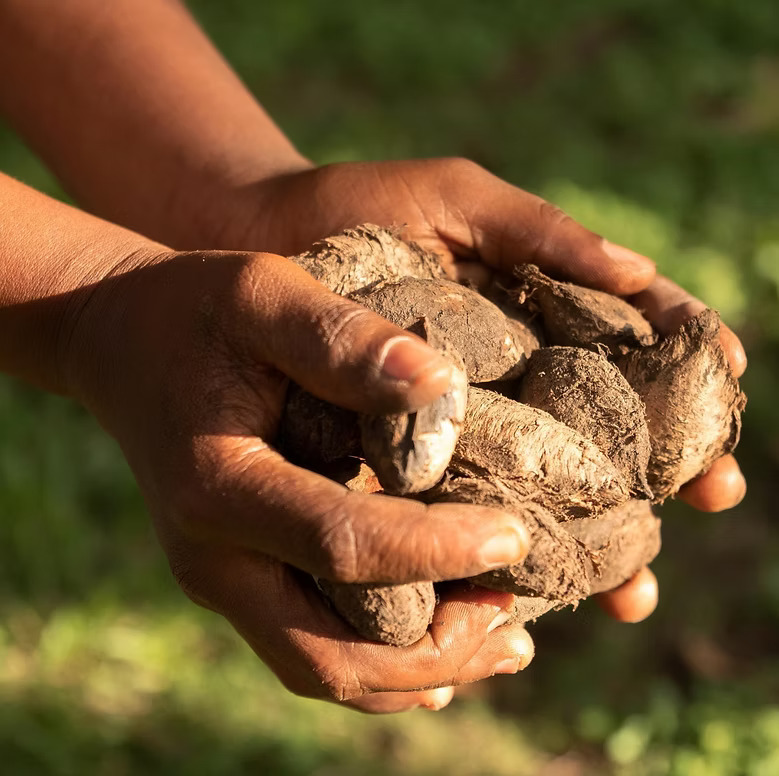
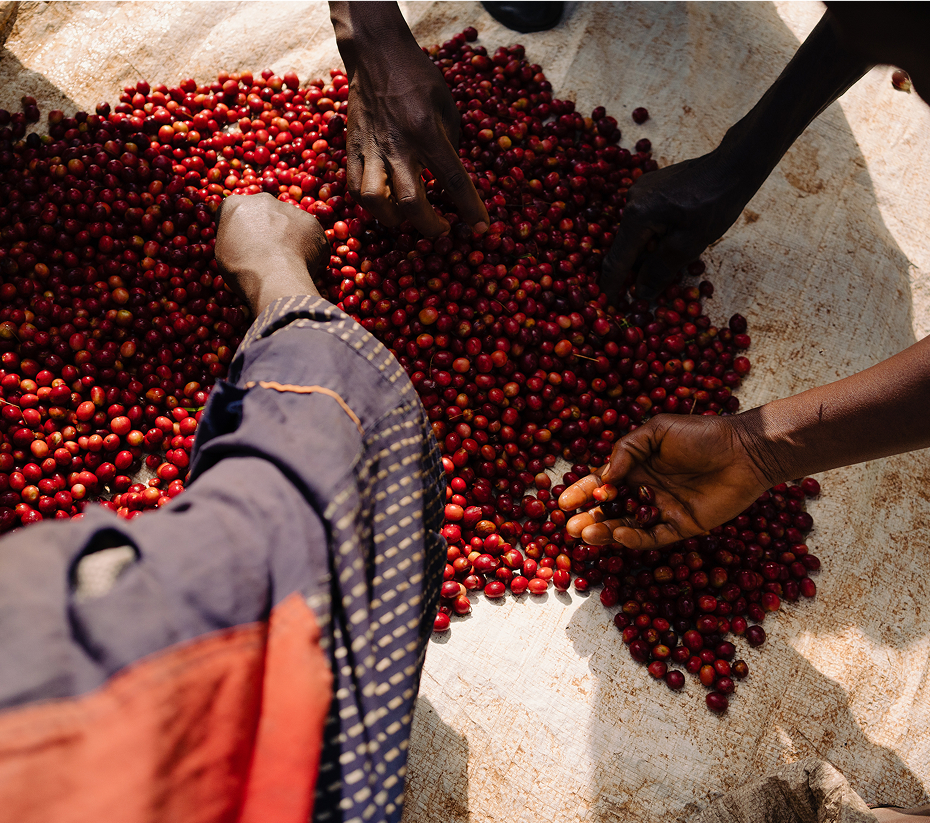
Açaí berries. Photo credits: Nossa Fruits. // Coffee beans. Photo credits: Long Miles. // Tropical almonds. Photo credits: Talmond. // Cloves. Photo credits: Trianon Spices.
Nossa Fruits – Sustainable açaí from the Brazilian Amazon

Nossa Fruits is a French company sourcing organic açaí from smallholders in Pará, Brazil. Unlike other açaí processors, Nossa sources exclusively from semi-natural estuarine forests where açaí grows alongside many other species, rather than from monoculture plantations on deforested land. The company is building an off-grid, solar-powered processing factory to serve markets in Europe, the U.S., Australia, and Japan, while cutting out intermediaries to ensure higher premiums for farmers.

The LRF's technical assistance package, co-developed with Nossa, supported the design of the new processing facility, developed tools for impact monitoring and fundraising, and helped build environmental and social risk management systems. Nossa has since recruited an ESG Manager - a role initially funded through the grant and subsequently transitioned to its operational budget. The company targets supporting around 600 farmers across three cooperatives, aiming to increase açaí productivity by 50% and implement biodiversity-friendly management practices on up to 3,000 hectares of riverine forest. With the investment-readiness support from LRF, Nossa has recently signed an investment deal with a European impact investor to fund its scale-up. The business also continues to receive support on cooperative capacity building, organic certification, and agroforestry TA from the LRF’s landscape programme in Pará.

Learn more about Nossa’s investment and operation model on the LRF’s Case Study Report.
In Tanzania, Trianon Spices is promoting sustainable spice agroforestry in the biodiverse East Usambara Mountains, while Central Park Bees is expanding organic honey certification across 500 farmers with innovative beehive monitoring systems. In Uganda, Mountain Harvest – a women-led enterprise – achieved regenerative agriculture certification for 1,500 coffee farmers and invested in water efficiency research, while Faima Posho Millers onboarded and trained 500 refugee farmers in climate-resilient staple grain production. In Ethiopia, women-led Forested is building regenerative honey and bee product supply chains, and in Vietnam, Luc Dong is working to formalise rattan value chains.
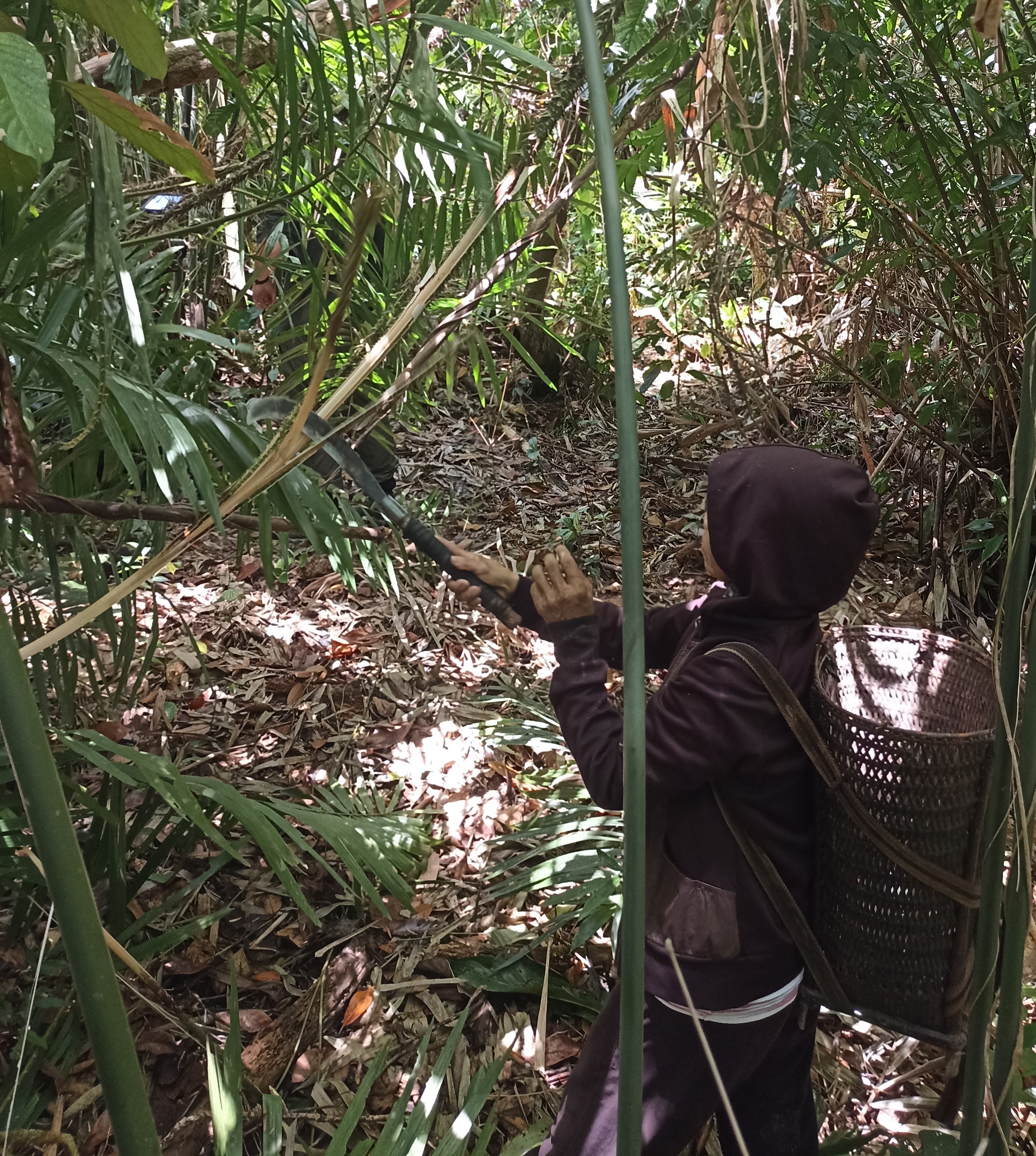
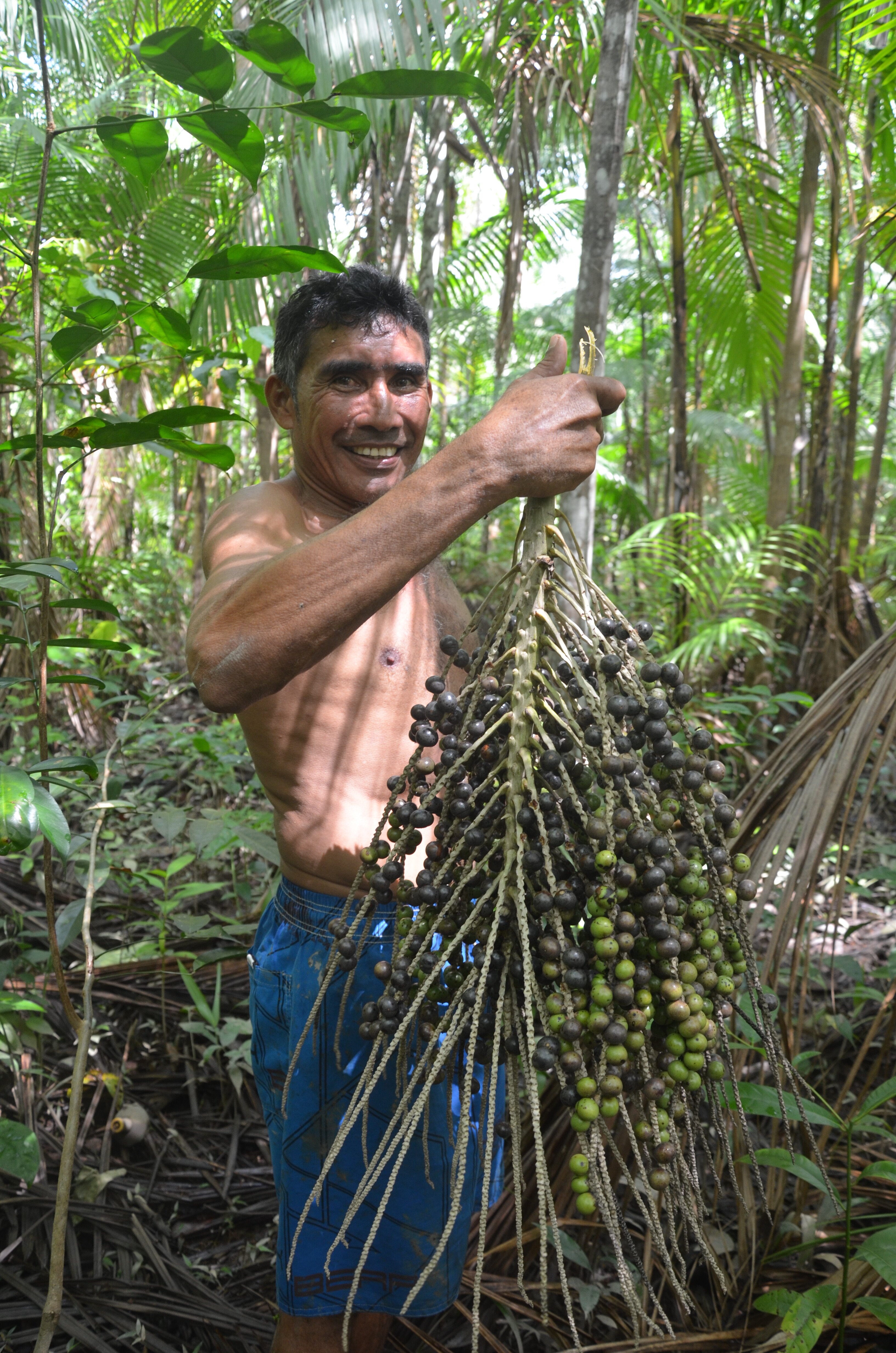
Harvesting rattan. Photo credits: WWF Viet-Nam. // Açaí harvest in Pará, Brazil. Photo credits: Nossa Fruits.
Talmond – Climate-resilient tropical almonds from Ghana

Talmond is a women-led company that has brought the world's first tropical almond milk to the global market. Tropical almonds grow across Ghana and are drought- and salt-tolerant, yet remain neglected as a commercial crop. Talmond is developing a new supply chain through a regenerative agroforestry model that integrates tropical almond cultivation with other crops to restore degraded land while promoting biodiversity and soil health. The company also sources and processes fonio, a nutrient-rich ancient grain cultivated by women farmers in West Africa.

The LRF's technical assistance supported capacity building and training of smallholder farmers in agroforestry practices, and the design of a logistics system for tropical almond collection. In 2024, Talmond began cultivating 370 hectares by planting 30,000 trees together with 500 smallholders, and in 2025 is planting an additional 50,000 trees with a further 500 farmers. By 2029, Talmond targets restoring 740 hectares of degraded land with 100,000 climate-resilient trees, increasing incomes for at least 1,000 tropical almond farmers, contributing to higher incomes for 5,000 female fonio farmers, and creating around 2,000 jobs. Talmond are also collaborating with the LRF’s new landscape programme in Ghana, to expand their sourcing area and benefit more farmers.

Learn more about Talmond’s investment and operation model on the LRF’s Case Study Report.
What technical assistance looks like in practice
The support provided was far more than generic business advice. Each SME developed a structured investment-readiness plan, after which the LRF supported the delivery of tailored pre-investment services via the GEF-funded project. For some enterprises, this meant developing financial models, business plans, and investor pitch decks. For others, it involved developing Environmental and Social Management Systems (ESMS), which are required by impact investors. Governance structures were improved, organic and regenerative agriculture certifications pursued, and extension workers recruited and trained to bring climate-resilient practices directly to farming communities.
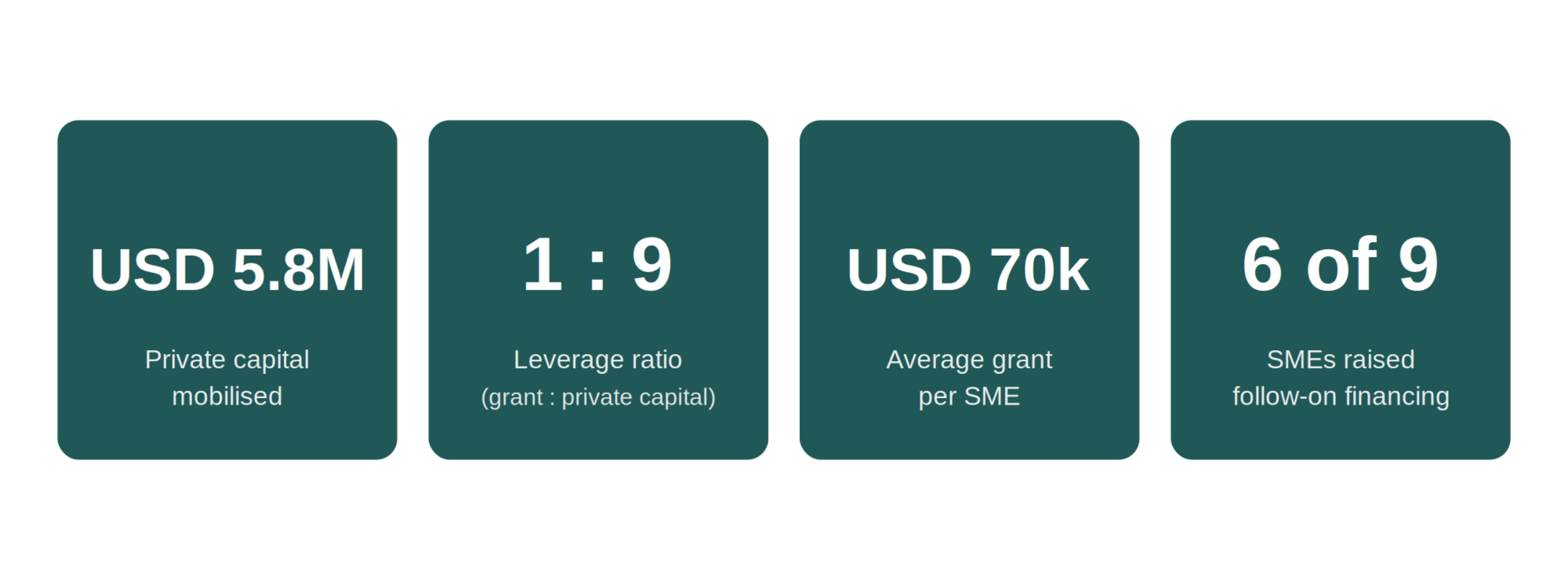
With grants averaging around USD 70,000 per enterprise, the program demonstrated that focused, well-targeted support can generate outsized returns. Every SME completed its investment-readiness plan. Six of the nine successfully raised additional financing, collectively mobilising approximately USD 5.8 million in confirmed private investment. This translates to a leverage ratio of 1:9, meaning that for every dollar of grant funding provided to SMEs, nine dollars of private capital followed.
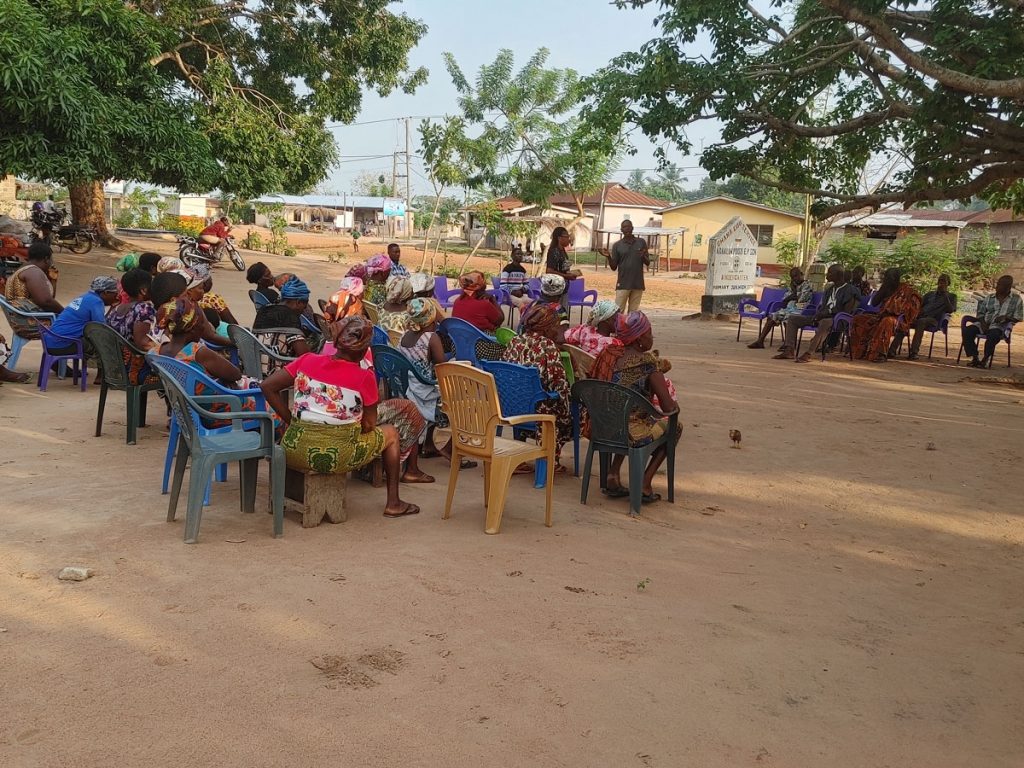
“The TA support provided to Talmond by the LRF is uniquely designed to support our efforts towards building and strengthening a sustainable supply chain of tropical almonds together with smallholder farmers. This activity is crucial for Talmond’s growth, with far-reaching impacts on the livelihoods and resilience of smallholder farmers, and to attract additional private investment.” – Dr. Elie Fink, CEO of Talmond
Business development: market access and lasting capacity
Some TA activities helped to strengthen businesses by increasing market access, opening doors to premium export markets for at least five enterprises. The ESMS and certification support helped Long Miles Coffee comply with the European Union’s new regulation on deforestation-free products. Central Park Bees, Mountain Harvest, and Trianon achieved certifications enabling access to organic and regenerative agriculture export markets. Faima Posho Millers and Nossa Fruits expanded their farmer bases to meet growing demand.
“Our collaboration with the LRF has been very rich as we share a similar vision of impact, especially on the relations between social and environmental issues in developing countries. The pre-investment support from the LRF is key in our plan to build the most sustainable practices in açai berry production in the Brazilian Amazon.” – Damien Binois, Founder and CEO of Nossa Fruits
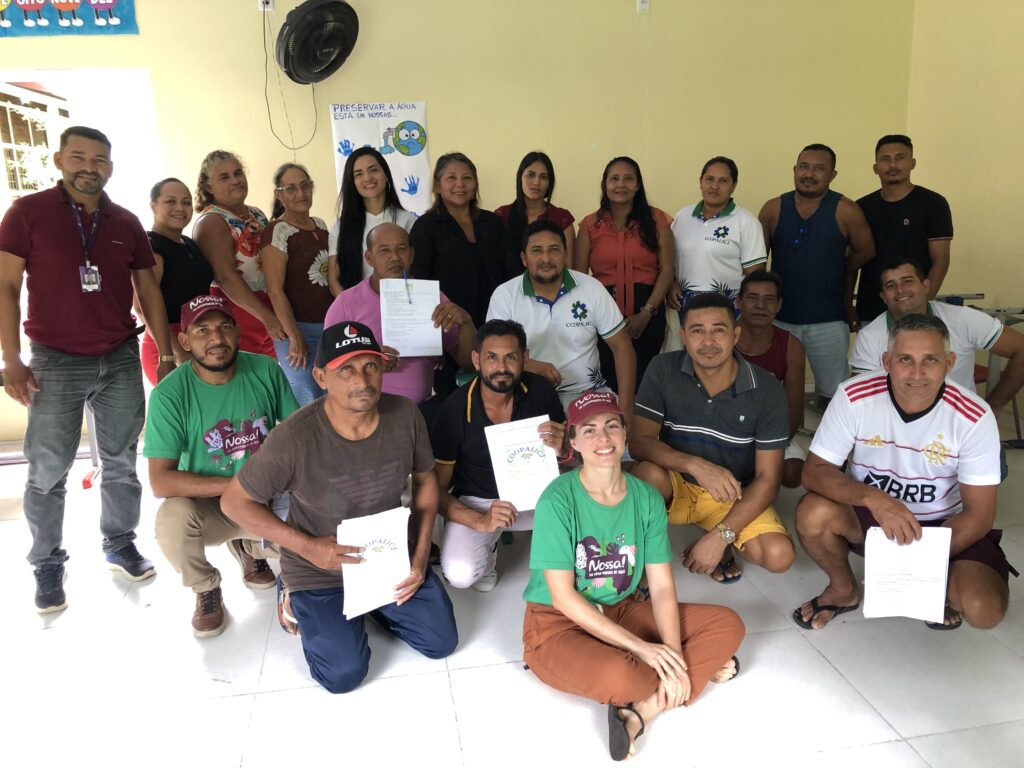
The independent final evaluation confirmed that some SMEs are on the way to institutionalise the capacities built through the program, and this could successfully happen by extending the technical assistance. Several enterprises have internalised extension services, hiring their own agronomists and ESG managers on permanent contracts. Nossa Fruits, for example, recruited an ESG Manager and field officer initially funded through the grant and subsequently transitioned these salaries to its operational budget. Central Park Bees leveraged its ESMS framework to secure USD 500,000 in debt financing and attracted additional proposals from the Tanzania Agricultural Investment Bank. The professional-grade tools developed – business plans, financial models, ESMS, – have already supported at least five SMEs in due diligence processes with commercial banks and impact investors.
Impact on the ground
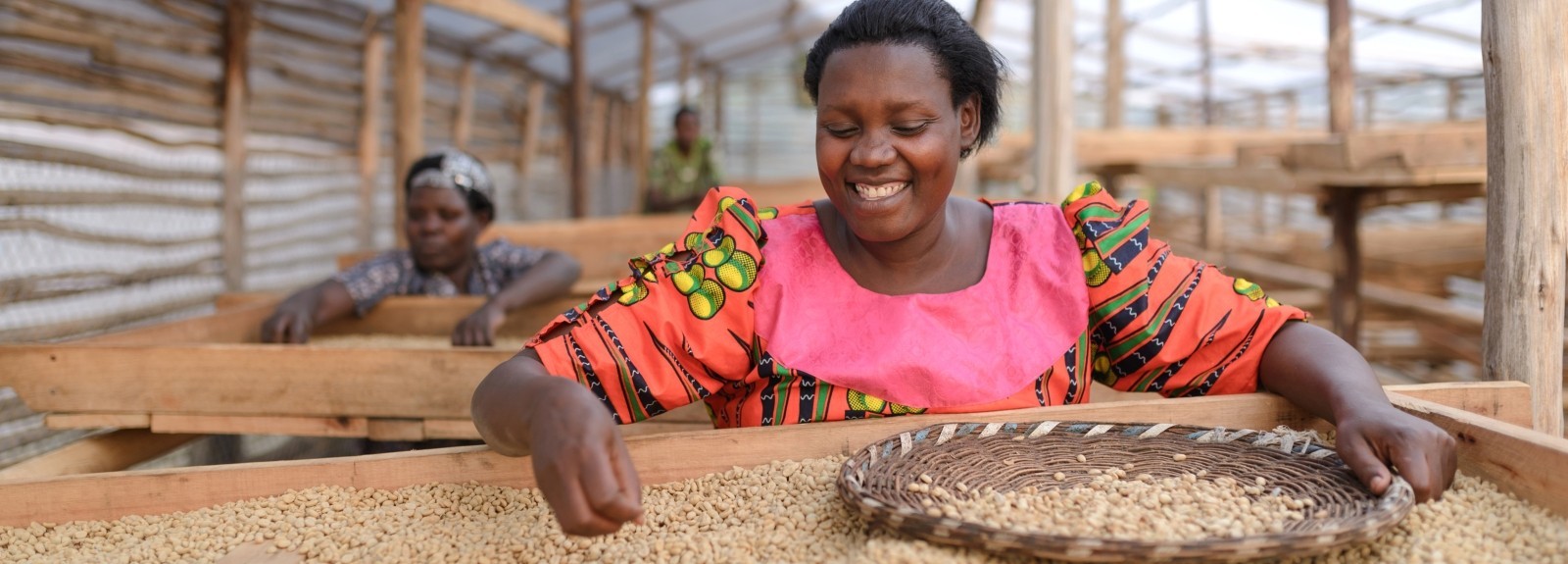
The numbers tell a compelling story, but the real impact of the program is measured in what is happening in the field. More than 3,000 farmers have been directly trained in regenerative and climate-resilient agricultural practices across seven of the nine enterprises supported. In Uganda, evaluators visited Mountain Harvest and Faima Posho Millers and found that women farmers were well represented in training programmes, which were held at convenient locations and times. Faima Posho Millers hired a dedicated female extension worker to facilitate engagement with women in its farming communities.
Looking forward, if these SMEs continue to scale on their current trajectories, the program’s reach could extend to over 400,000 hectares under climate-resilient management practices and more than 150,000 beneficiaries across supply chains. These projections are grounded in the financing already secured and the operational plans now in place, though they depend on continued market access, stable conditions, and sustained investment in farmer training and extension services.
A blueprint aligned with the LRF’s vision
The GEF-funded TA program is not a standalone initiative, it is an integral part of the LRF’s mission to mobilise private and public climate finance for vulnerable communities and landscapes in developing countries. The LRF was co-founded by South Pole and WWF in 2021 with a specific focus on closing the climate adaptation finance gap: despite the intensifying frequency and impact of physical climate risks, only a fraction of climate finance reaches adaptation. The TA program was designed to tackle precisely this problem.
The LRF operates through three interconnected funding pillars: strengthening an integrated landscape approach; delivering technical assistance for small and medium-sized enterprises (SMEs) towards investment readiness; and providing concessional loans to SMEs. The GEF-TA program demonstrates how technical assistance creates the enabling conditions for the other pillars to succeed. By strengthening SMEs’ investment readiness, the program builds a pipeline of enterprises that are better prepared to receive concessional loans. At the same time, several of the supported SMEs – including Nossa Fruits in Brazil and Talmond in Ghana – deliver positive impacts within landscapes where the LRF is strengthening integrated landscape approaches that improve governance, strengthen supply chains, and build the enabling environment for sustainable investment.
This integrated model is central to what makes the LRF distinctive. Rather than treating technical assistance, investment, and landscape development as separate activities, the LRF connects them so that each reinforces the others. SME investments within a landscape improve livelihoods and drive adoption of resilient agricultural practices, while landscape-level work (i.e. enabling inclusive governance and sustainable supply chains) creates the conditions in which those investments can succeed. The GEF-TA program has demonstrated how this approach works in practice: well-targeted grants build investable enterprises, which in turn attract private capital into climate-resilient value chains embedded within landscapes where people and nature can thrive together.
Lessons from the field
The program yielded important lessons for how technical assistance can be designed and delivered more effectively in the climate adaptation space.
One-off support is not sufficient to embed resilience. The evaluation found that both SMEs and farmers need longer-term technical assistance to deepen their understanding of climate risks and consolidate adoption of resilient practices. The evidence suggests that SMEs typically require five to ten years to fully integrate new organisational and agricultural practices. Climate adaptation benefits depend not only on access to investment, but on sustained accompaniment. Phased support, rather than one-off interventions, increases the likelihood of durable, lasting impact.
Technical assistance is most effective when embedded within a landscape approach The program’s experience confirms that SME support works best when linked to landscape initiatives (such as LRF’s landscape programmes), value chains, investor networks, and peer-learning platforms. The partnership developed with GIZ’s Private Adaptation Investment Bootcamp (PrivABoo) demonstrated the value of connecting SMEs to existing training resources and networks. Future support should be closely aligned with platforms that facilitate both investor matchmaking and knowledge exchange among climate-resilient enterprises.
Investor matchmaking requires proactive, structured engagement. While the TA program successfully strengthened SMEs’ readiness, investor outreach was often opportunity-driven rather than systematic. A more structured approach to pipeline management and targeted investor engagement would increase the speed and scale of capital mobilisation.
“This experience provides a valuable blueprint for similar initiatives, which have multiplied in recent years. Moving forward, continued engagement with supported SMEs and dissemination of lessons learned will be critical to maximising the project’s long-term impact on climate adaptation and resilience.”
Independent Evaluator, January 2025
Looking ahead
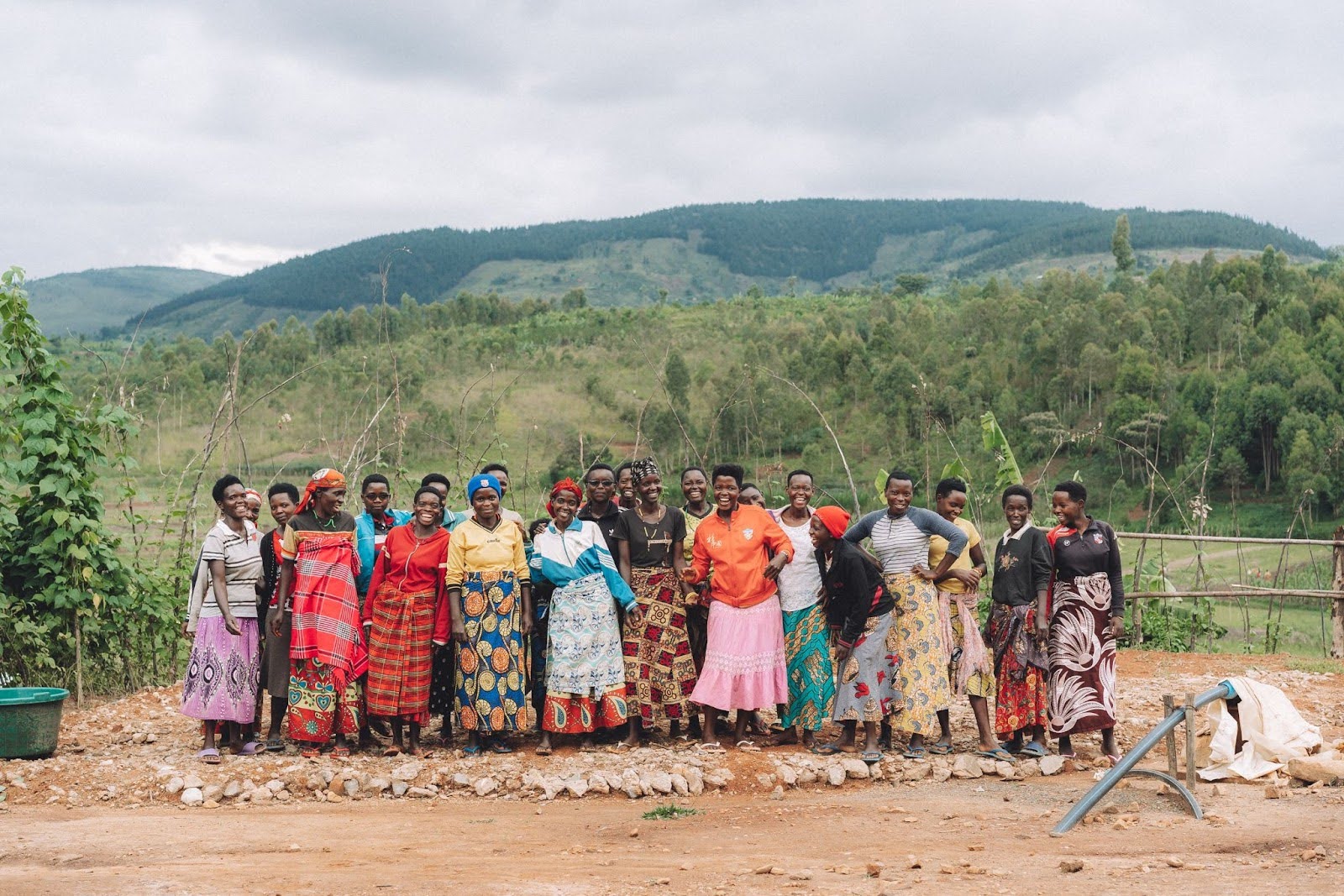
The GEF-funded TA program has demonstrated that relatively modest but well-targeted grants can mobilise outsized returns in both investment leverage and development impact. Crucially, the LRF will continue to engage with several of these SMEs beyond the TA program, providing ongoing support and, where appropriate, follow-on investment. This continuity ensures that the achievements catalysed by the GEF-funded TA are not one-off gains but live on through the LRF’s sustained partnership with the companies it has helped to build.
The program’s legacy lies not just in the finance mobilised, but in the permanent transfer of skills, systems, and institutional capacities into the SMEs’ own operations – capacities that will continue to serve them long after the grant period has ended. As the climate adaptation financing gap continues to grow, the case for this kind of catalytic pre-investment support has never been stronger.
“Building resilience amid increasingly devastating climate change impacts requires new financing models and partnerships – particularly in light of the significant needs of both communities and supply chains in developing countries. Our support for the Landscape Resilience Fund reflects this commitment to finding adaptation solutions that are locally effective as well as scalable.” – Carlos Manuel Rodríguez, former CEO and Chairperson, Global Environment Facility
—
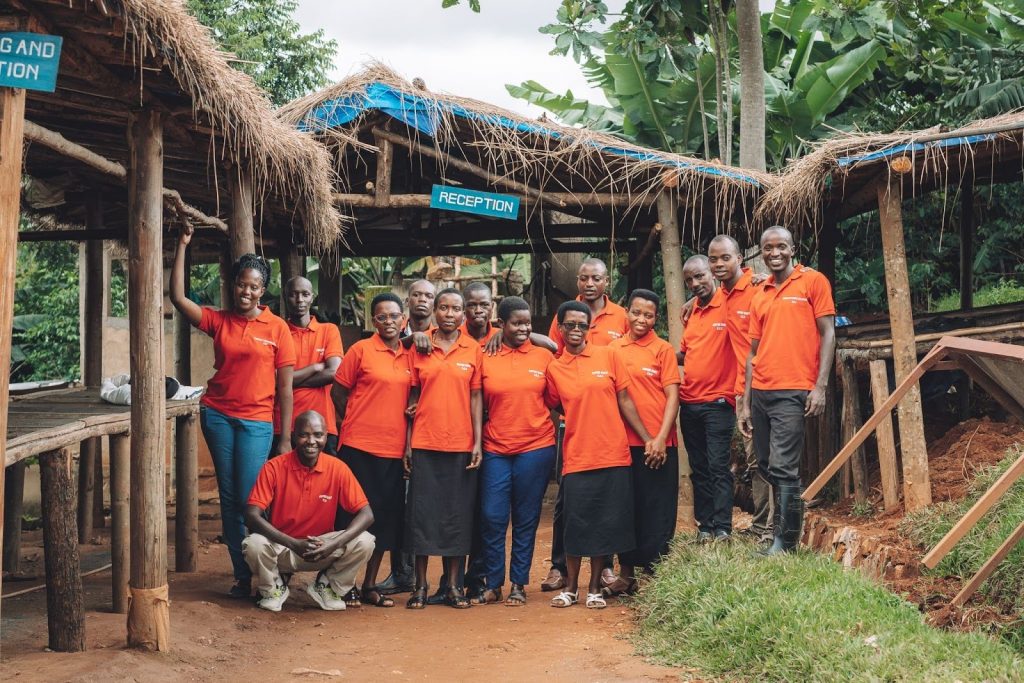
Cover photo: Long Miles team during a TA workshop. Photo credits: Long Miles Coffee.
Additional information on the GEF-TA project:https://www.worldwildlife.org/our-work/funds/wwf-gef/projects/investment-readiness-for-the-landscape-resilience-fund/