The LRF and Nature Conservation Research Center (NCRC) launch a new three-year partnership to strengthen community-led conservation in Ghana’s Kakum landscape.
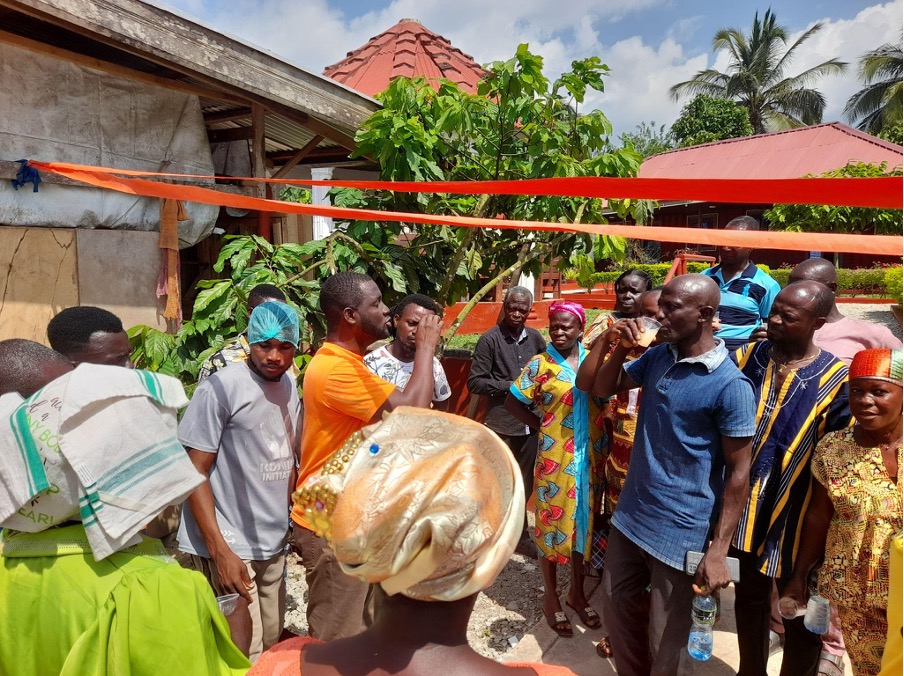
In the community of Bosomadwe, deep in Ghana’s Central Region, leaders from the local CREMA (Community Resource Management Area – the village-level governance organization) gathered last October for a learning visit to a cocoa processing facility. And not just any facility, but one that turns what farmers usually discard into a product people actually want to buy.
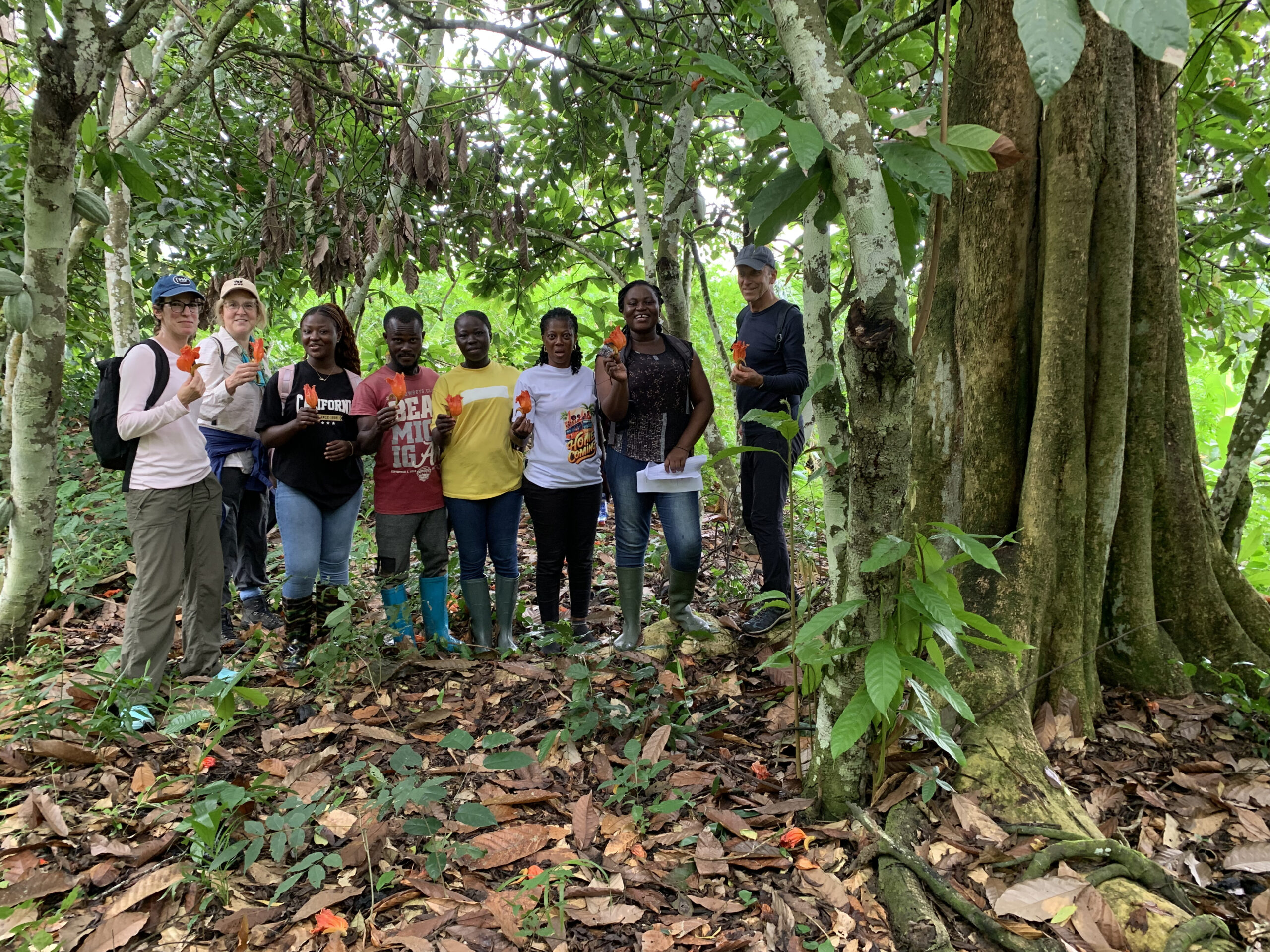
The group of 18 leaders traveled to Akrofuom to see KOA Impact‘s operations firsthand. They watched as cocoa pulp – the sweet, sticky fruit that surrounds cocoa beans and is normally discarded after harvest and fermentation of beans – was transformed into bottled juice ready for market. The math was simple and compelling: farmers could earn additional income from something they were already producing, without planting a single extra tree or working an extra hour.
When they returned home, the feedback sessions sparked immediate interest. “This is what we need,” Michael Abuh, Bosomadwe CREMA Chairman, said. “More ways to earn from what we’re already growing.”
This is exactly the kind of transformation the Landscape Resilience Fund (LRF) and the Nature Conservation Research Center (NCRC) are working to catalyze across Ghana’s Kakum landscape. And now, building on the successful first phase of collaboration that began in 2024, the two organizations are launching a new three-year project (2026-2028) to deepen this work by supporting community governance, expanding livelihood opportunities for cocoa farmers, and strengthening the integration of sustainable enterprises into the landscape.
A Landscape Where Everything is Connected
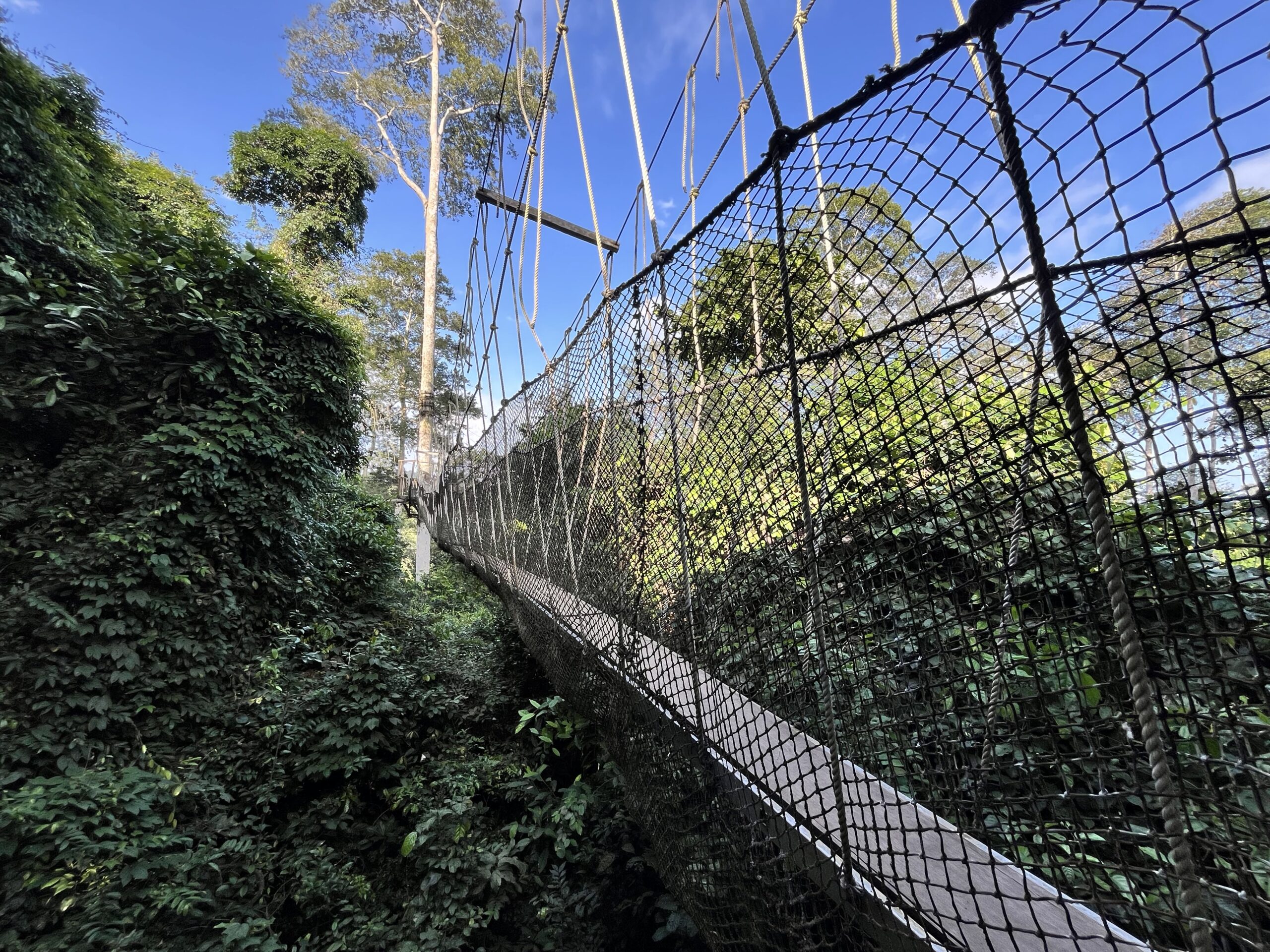
The Kakum landscape covers 100,000 hectares where cocoa farms meet the Kakum Conservation Area, a forest reserve rich in biodiversity. It’s home to the highly endangered African forest elephant, antelopes, and exceptional wildlife diversity that sets it apart from other cocoa-growing landscapes in Ghana.
But it’s also a landscape facing serious pressure. Climate change is disrupting rainfall patterns. Cocoa diseases remain a challenge. There is a looming threat of illegal gold mining from adjacent districts. Wildlife crop-raiding diminishes the farmers’ yields in cocoa and food crop farms along the boundary.And many farmers struggle to make ends meet as the cost of living has increased while cocoa prices have become unstable.
The question everyone is asking: How can communities protect their forests and wildlife while actually improving their livelihoods?
The answer lies not only in forest restoration and protected areas, but in building systems where communities lead, businesses partner rather than extract, and income flows from multiple sources instead of a single vulnerable crop.
Communities in the Driver’s Seat
At the heart of this work is something remarkable: a governance system designed and run by communities themselves.
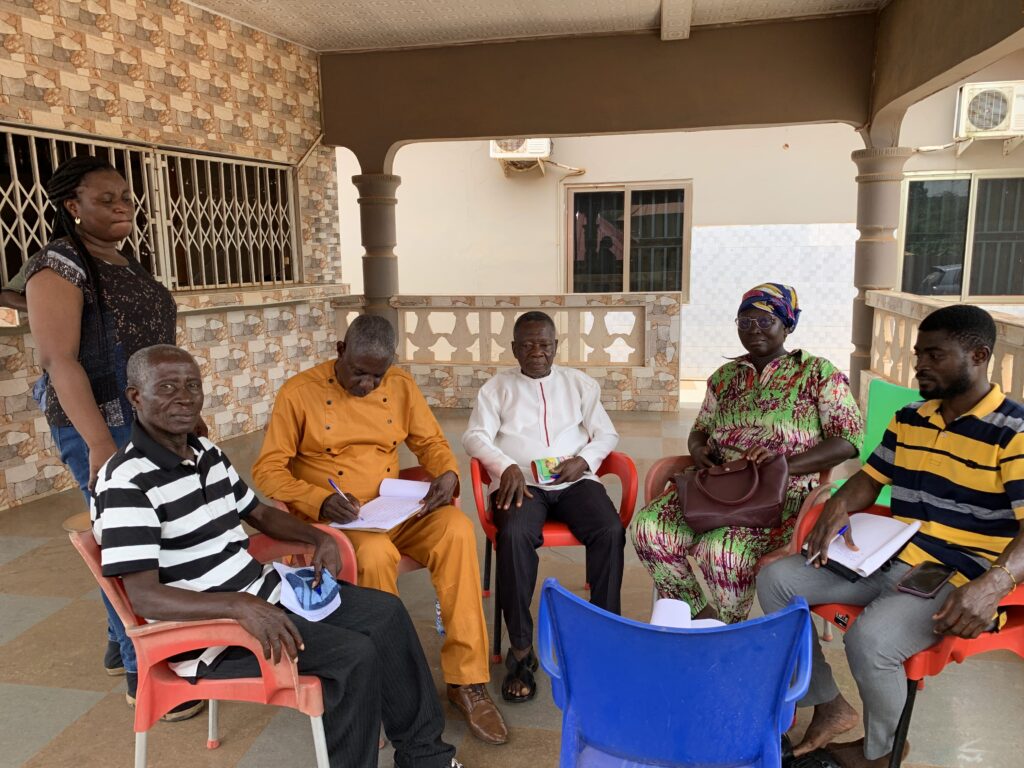
More than 80% of the land in Kakum is owned by Indigenous Peoples and Local Communities. And they’ve created a nested structure of CREMAs (Community Resource Management Area) at the village level, Sub-HIAs (Sub-Hotspot Intervention Areas), which are regional councils coordinating multiple CREMAs, and a landscape-wide management board that lets villages make decisions locally while coordinating action across the broader landscape.
It sounds complex, but it works. CREMA formation started slowly in 2018, and over time the governance bodies and processes have been formed Last year, with support from LRF, 103 people participated in governance meetings to validate the Kakum Landscape Management Plan, a twenty-year vision for what they want their landscape to look like in 2045: green and forested, economically productive, ecologically diverse, and capable of supporting families and their futures. For a comprehensive overview of how Ghana’s landscape governance mechanisms were developed and how they work in practice, see NCRC’s Learning About Cocoa Landscape Approaches: Ghana Guidance Document & Toolbox.
The plan is built on five pillars: strengthening governance, expanding income opportunities, supporting climate-smart cocoa, protecting forests and biodiversity, and improving community wellbeing.
Nevertheless, these governance structures don’t run themselves. They need people with the skills and confidence to use them effectively.
Building the Skills to Lead
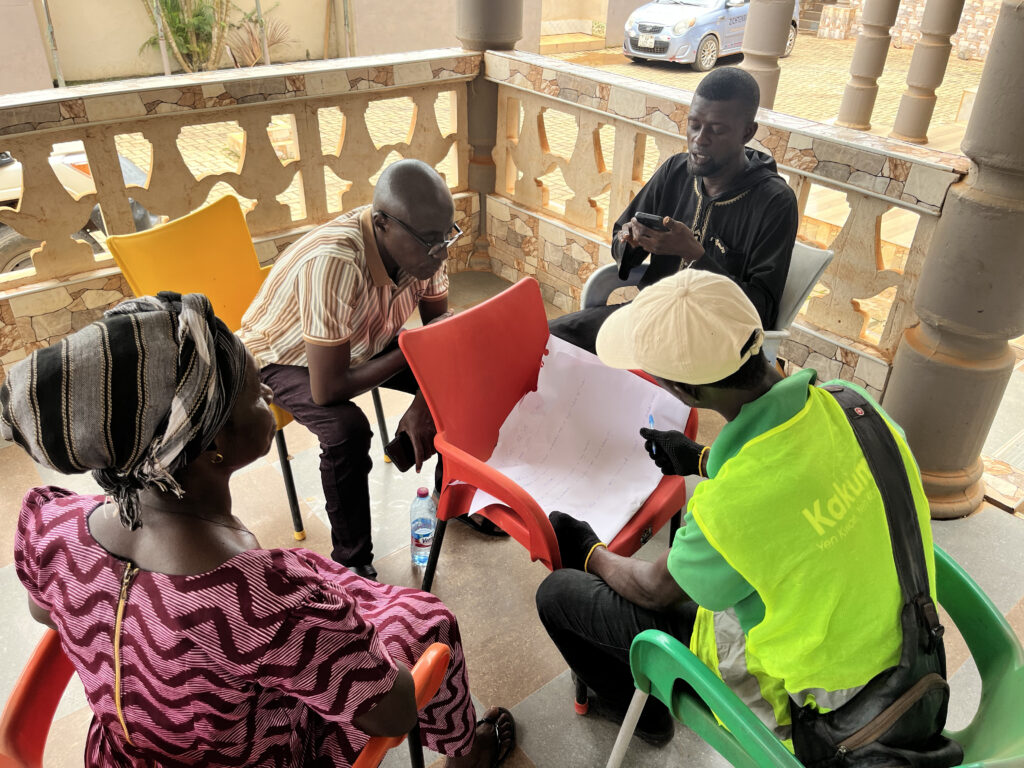
Sixty-three CREMA and Sub-HIA leaders participated in financial management workshops over the past year. They learned budgeting, record-keeping, loan management, risk assessment, and procurement. Skills that might sound basic but are game-changing for community organizations managing resources and negotiating with businesses.
“We can’t just hand communities a governance structure and hope it works,” explains Emmanuel Appiah, NCRC’s Kakum landscape officer. “They need training, practice, support, and time to build confidence and capacity. This isn’t a one-workshop-and-done situation. It’s years of patient capacity building.”
The results are already visible, with CREMA leaders now maintaining comprehensive beneficiary lists tracking who receives REDD+ benefits rewarding their forest conservation efforts. They coordinate with businesses entering their landscape, they organize meetings, make budget decisions, and plan operations with growing independence.
Beyond Cocoa: Multiple Pathways to Income
Walking through a cocoa farm in Kakum today, you will still see mostly cocoa. But increasingly, you will also see shade trees being planted and being maintained in farms, and farmers collecting cocoa pulp they used to discard.
Climate-smart cocoa – an agricultural approach designed to increase cocoa productivity, build climate resilience, and reduce greenhouse gas emissions – is the approach taken by the private sector. Over the past year, 2,184 shade tree seedlings were distributed to 106 KOA farmers across 11 communities. These trees reduce climate vulnerability, improve soil health, increase biodiversity of the farming landscape, and provide habitat for wildlife – all while supporting cocoa productivity.
Farmers are also receiving training on climate-resilient farming practices and gaining access to approved pesticides through REDD+ benefit packages that include Wellington boots, cutlasses, and other essential equipment.
But the real innovation is in diversification.
Cocoa pulp collection through KOA Impact creates income from waste. The company, which received a CHF 2 million loan from LRF, has built infrastructure in Achiase and Akrofuom to convert pulp into marketable juice which is both exported and consumed locally. For farmers, it means additional earnings during harvest season without extra labor because they are removing the pulp anyway when breaking the cocoa pods.
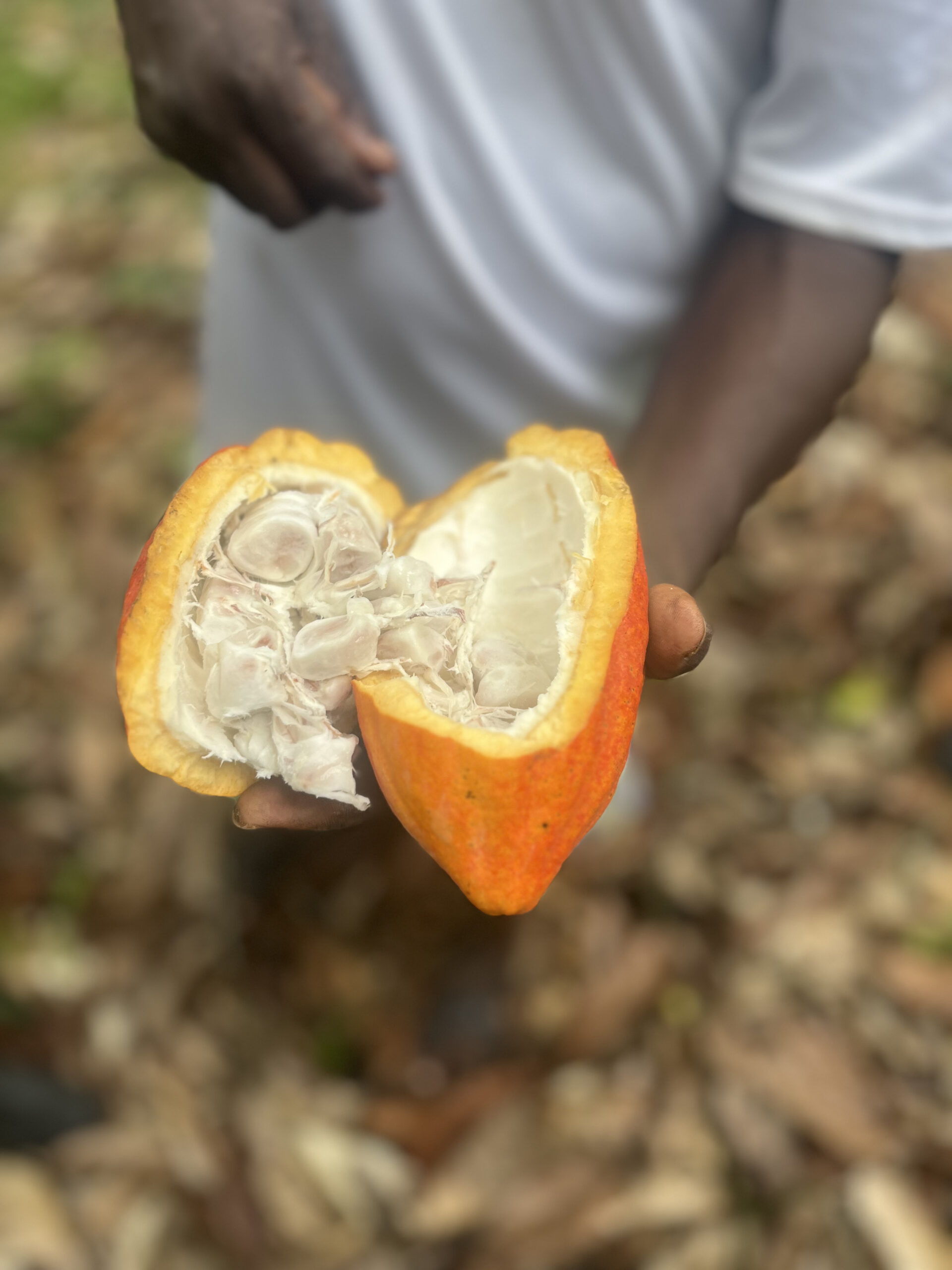
After those initial learning visits, KOA held community meetings in interested CREMAs like Bosomadwe and Aboabo Camp. The benefits flow both ways. KOA gains access to an organized farmer network and reliable pulp supply across multiple Sub-HIAs. Farmers gain income plus access to REDD+ benefits that KOA farmers receive, including those shade tree seedlings.
Tropical almonds offer another pathway to diversifying livelihoods. Talmond, a women-led enterprise that has previously received Technical Assistance from LRF to strengthen its business model, is now working with NCRC to pilot a business expansion into Kakum. The trees will serve double duty: providing shade for cocoa and producing almonds with growing market demand.
Following a feasibility assessment, the recommendation is clear: plant tropical almonds in low-shade cocoa farms and on degraded lands in stand-alone plantations. The approach is collaborative, with Talmond beginning to work directly with CREMA leaders for farmer engagement, enrollment, and monitoring.
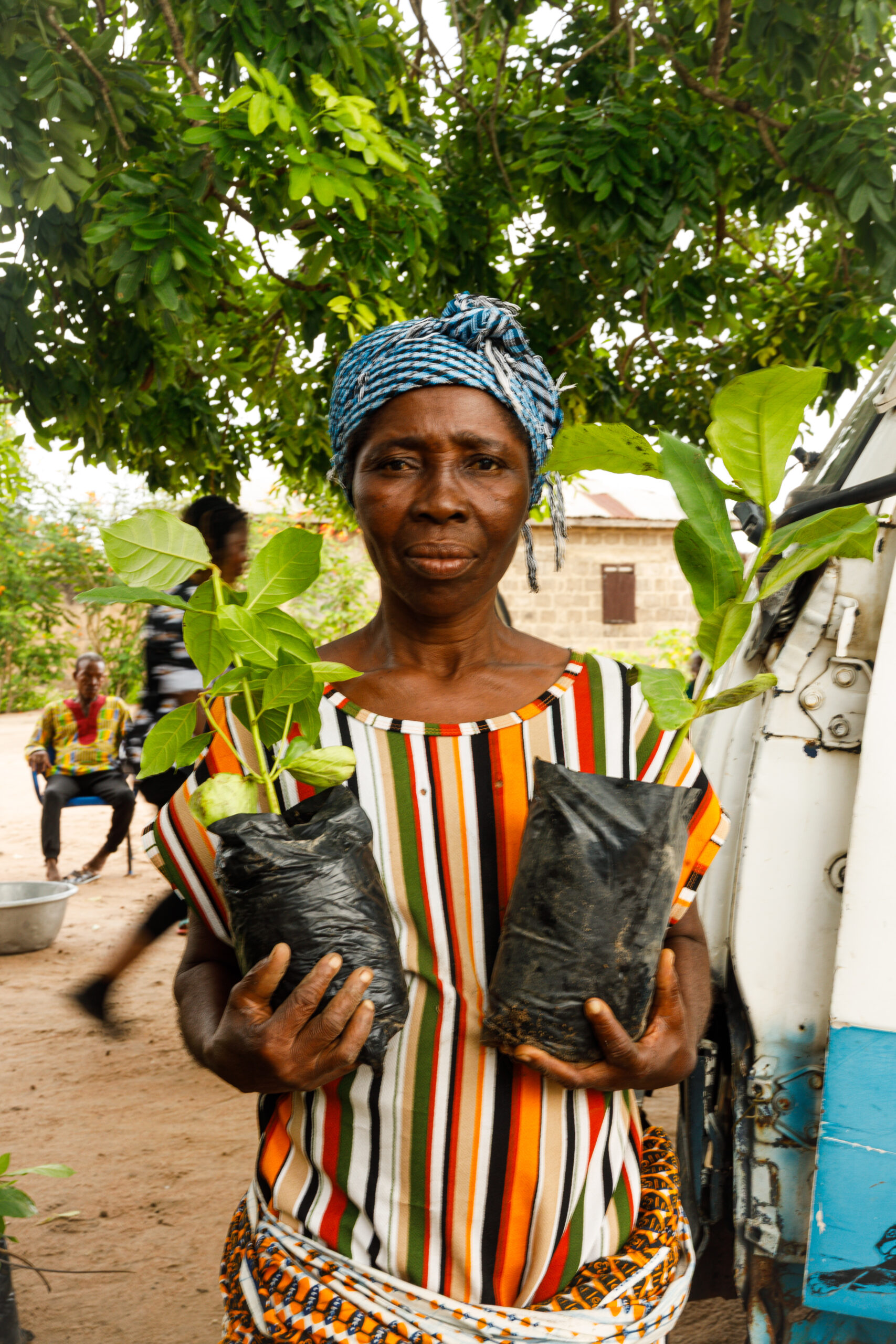
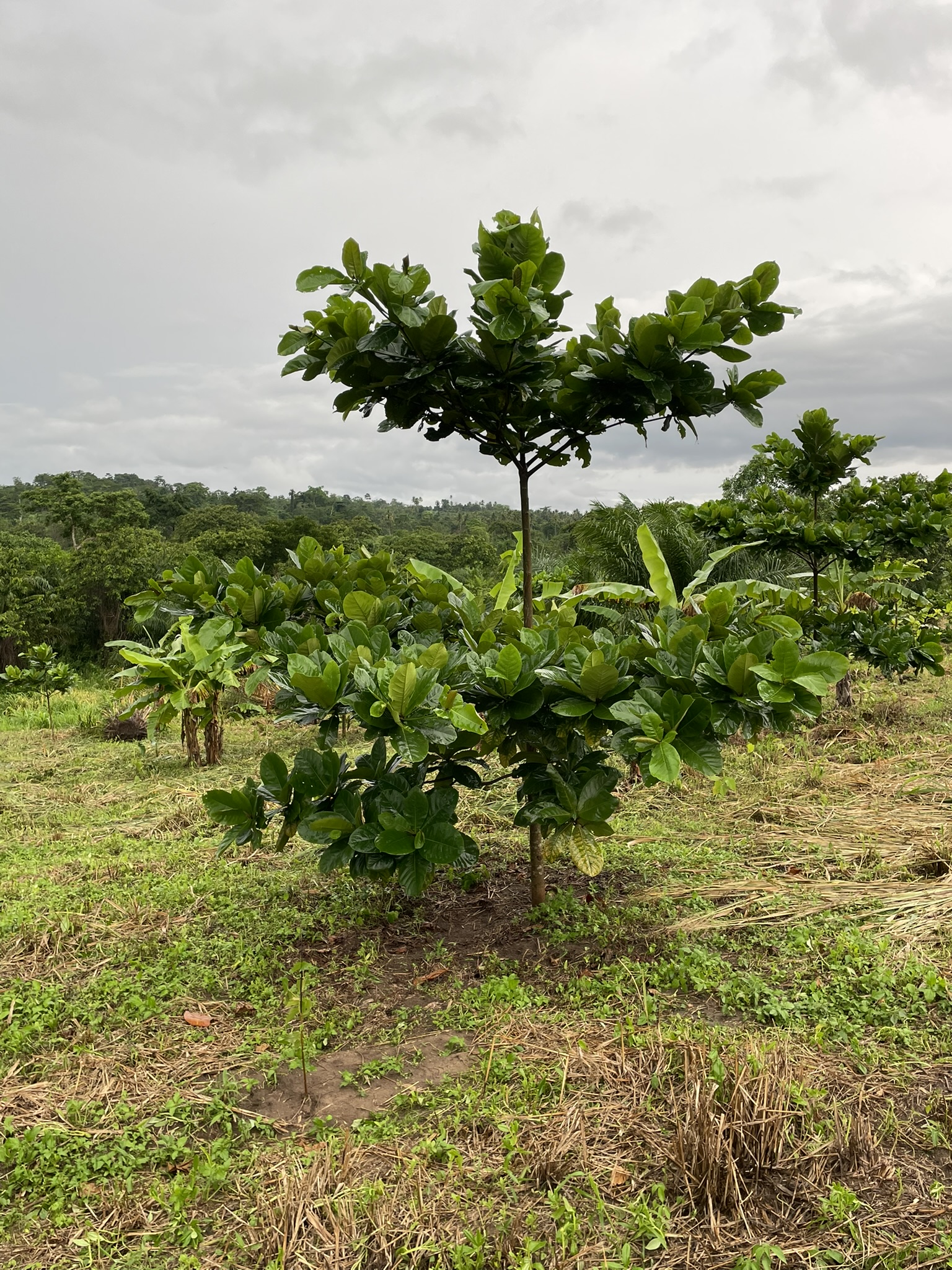
(Left) Distribution of tropical almond seedlings to women farmers in Talmond-onboarded communities near Ho, Volta Region. // (Right) Tropical almond trees on degraded land in the Eastern and Volta Regions. Photo credits: © Talmond.
There is a careful ecological consideration too. Tropical almonds are not native to West Africa, they were introduced during colonial times; so the plan explicitly avoids planting near Kakum National Park or forest reserves to prevent displacement of indigenous species.
Payment for Ecosystem Services adds another important benefit for communities. Carbon benefits through REDD+ are already reaching farmers and communities. And there is strong interest from major chocolate companies, some of whom also play an active role in supporting the landscape in developing nature and biodiversity credits, which are likely to be feasible given Kakum’s exceptional wildlife.
The math is straightforward: more income sources mean less vulnerability. When farmers earn from cocoa beans, cocoa pulp, almonds, and ecosystem services, they are better positioned to handle climate shocks, price drops, or crop disease.
The Right Kind of Business Partnership
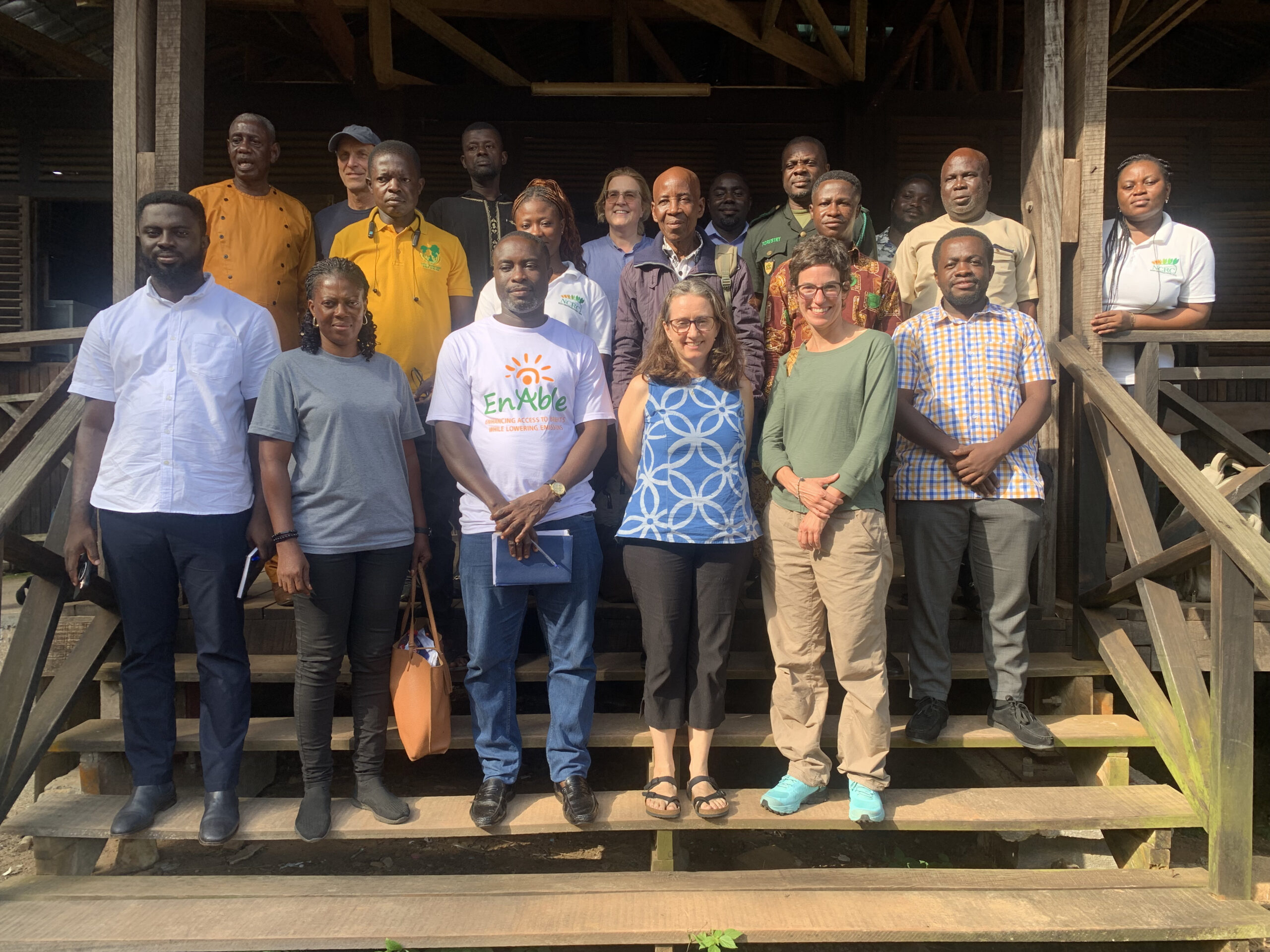
Here is what makes the LRF-NCRC approach different: businesses don’t just work with farmers, but they integrate them with the governance structures communities have built. When KOA wanted to expand its farmer base, it went to Sub-HIA and CREMA Executive Committees. Forty-nine people participated in those initial meetings where governance leaders learned about KOA’s operations, asked questions, and explored whether this made sense for their communities.
When Talmond looks to expand, it works through CREMAs and Sub-HIAs for community entry, farmer engagement, and nursery establishment. This isn’t just good practice – it’s strategic. CREMA leaders become gatekeepers and coordinators. They maintain beneficiary lists, provide oversight and ensure accountability. For businesses, it means working with organized, reliable partners rather than scattered individuals. For communities, it means collective negotiating power and transparent benefit distribution.
“SMEs succeed when they’re embedded in strong community governance,” explains Simone Stammbach, LRF Vice President. “And communities benefit most when businesses are accountable to local structures rather than operating independently. It’s about creating relationships where both sides win, and where communities maintain the power to shape how business happens in their landscape.”
Science Making Sure It’s Fair
All of this – the governance, the partnerships, the income diversification – depends on something less visible but equally critical: monitoring.
Without tracking, it’s impossible to know if women are being reached, if remote communities are participating, if the most vulnerable families are benefiting, if restoration efforts and conservation measures pave their way. That’s why field teams have been trained on digital data collection systems. They’re tracking deforestation rates, tree planting progress, benefit distribution, farmer participation (gender-disaggregated), income changes, and more.
The data flows into a management platform where it can be analyzed and turned into reports. CREMA leaders use it to verify that benefits are reaching intended recipients. Partners use it to adjust programs. Investors use it to see if their funding is achieving impact.
This isn’t just about accountability, it’s about equity. Digital tools and transparent data democratize access to benefits, enabling communities to advocate for fair treatment with evidence in hand.
A Model Worth Replicating
The LRF’s investment in Kakum reflects a specific strategic vision: sustainable landscapes need both strong community governance and sustainable business partnerships, working together rather than separately.
The timing of support matters too. LRF funding arrived at a critical moment – when other donor support had ended and future funding was still being negotiated. That bridge financing enabled NCRC and community partners to maintain full momentum on governance meetings, monitoring updates, SME integration, and capacity building that might otherwise have stalled.
Ghana is the world’s second-largest cocoa producer, and what happens in its cocoa landscapes matters globally. But Ghana also has progressive forestry and land tenure policies that recognize community rights and enable innovative governance models. The combination creates conditions for impact at scale.
Kakum represents an inspiring example where community-led governance, climate-smart agriculture, biodiversity conservation, and sustainable enterprise development are being integrated in practice. The model being tested here is fundamentally different from extractive supply chains. In Kakum, farmers are organized through CREMAs and Sub-HIAs. They have a voice in how businesses operate. They maintain oversight of benefit distribution. They build institutional capacity that serves them beyond any single commercial relationship.
Over the next three years (2026-2028), the partnership will build on these foundations:
- Deepening SME integration by supporting KOA to expand further and Talmond to establish operations in target Sub-HIAs with community-led tree nurseries and planting programs.
- Strengthening monitoring for equity through the living income assessment and enhanced data analysis systems that ensure benefits reach those most in need.
- Developing new PES opportunities by supporting feasibility studies and pilots for nature and biodiversity credits.
- Building Swiss chocolate sector engagement by expanding partnerships with SwissCo, Swisscontact, and corporate partners to align investments and share learning.
- Scaling successful approaches by documenting lessons and facilitating exchange visits to demonstrate the Kakum model for potential replication elsewhere.
Throughout, climate resilience remains the driving goal. Every activity – from governance training to SME integration to monitoring – is ultimately about boosting communities’ capacity to adapt to climate change while maintaining livelihoods and protecting forests.
This is the bet: that when communities lead, when businesses integrate rather than extract, when monitoring ensures equity, and when diverse livelihood strategies reduce climate vulnerability, landscapes can become truly resilient — ecologically, economically, and socially.
—
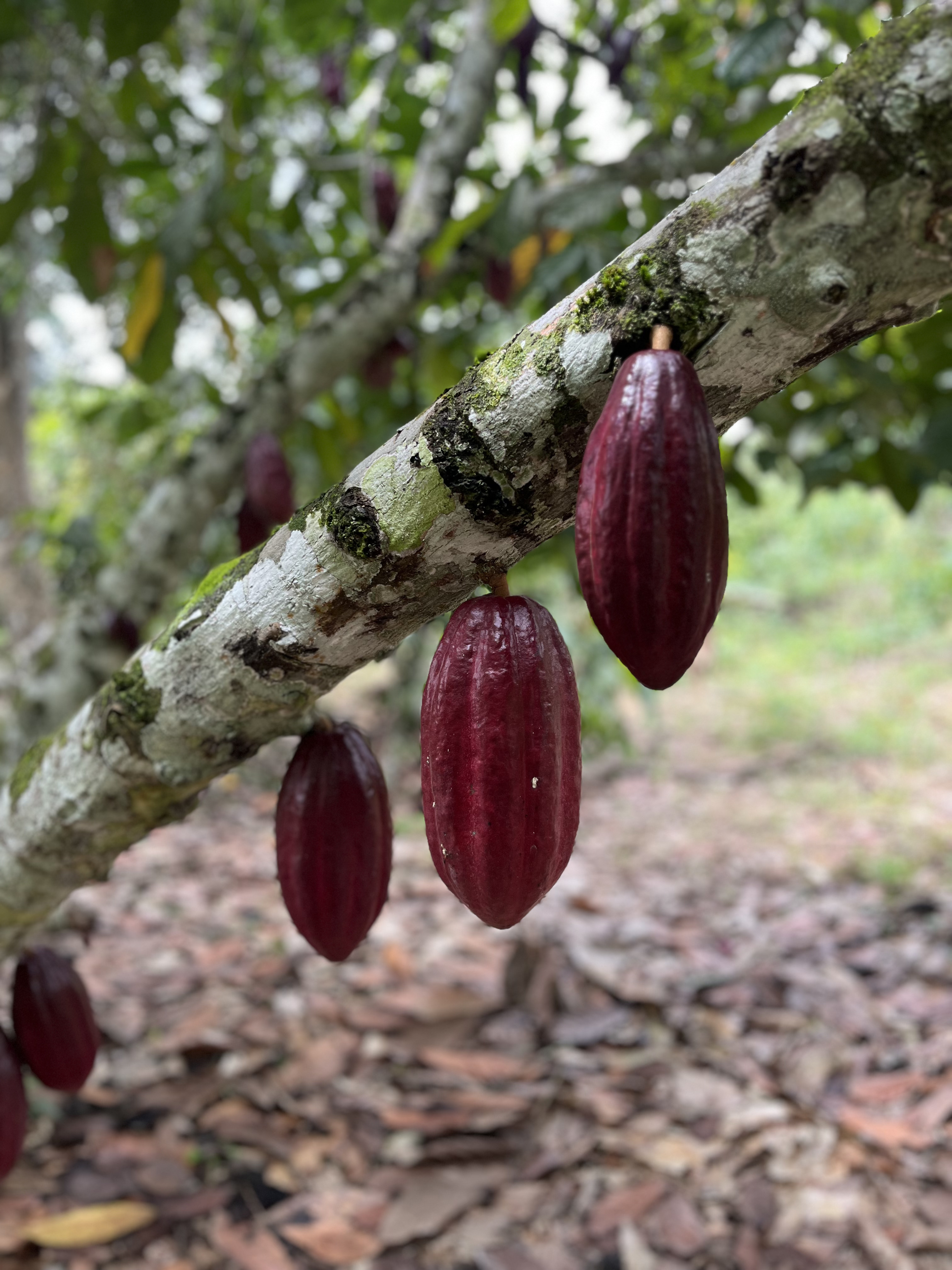
Cover photo: Cocoa pods, the fruit of the cocoa tree (Theobroma cacao). Photo credits: © Landscape Resilience Fund