
The Landscape Resilience Fund (LRF) and WWF are proud to announce the publication of a new set of case studies highlighting how innovative finance, sustainable business models, and the landscape approach are driving climate resilience and biodiversity conservation in vulnerable regions across the globe.
The LRF mobilizes climate finance to support smallholder farmers, strengthen sustainable supply chains, and foster inclusive development in climate-vulnerable landscapes. This latest report showcases concrete results of LRF-WWF collaboration, providing insights into how Bankable Nature Solutions can scale to deliver both environmental and economic impact.
What can you learn from this report
The report takes readers inside four inspiring projects in Ghana, Vietnam, and Brazil – led by pioneering enterprises Koa, Slow Coffee, Nossa Fruits, and Talmond. Each case study demonstrates how blended finance and technical assistance can unlock sustainable livelihoods, improve climate resilience, and reduce pressure on forests and ecosystems. In addition, the report presents WWF’s work with the landscape approach in Vietnam’s Central Annamites and Brazil’s Pará State—showing how multi-stakeholder collaboration is essential for tackling the interconnected challenges of climate change, biodiversity loss, and rural poverty.
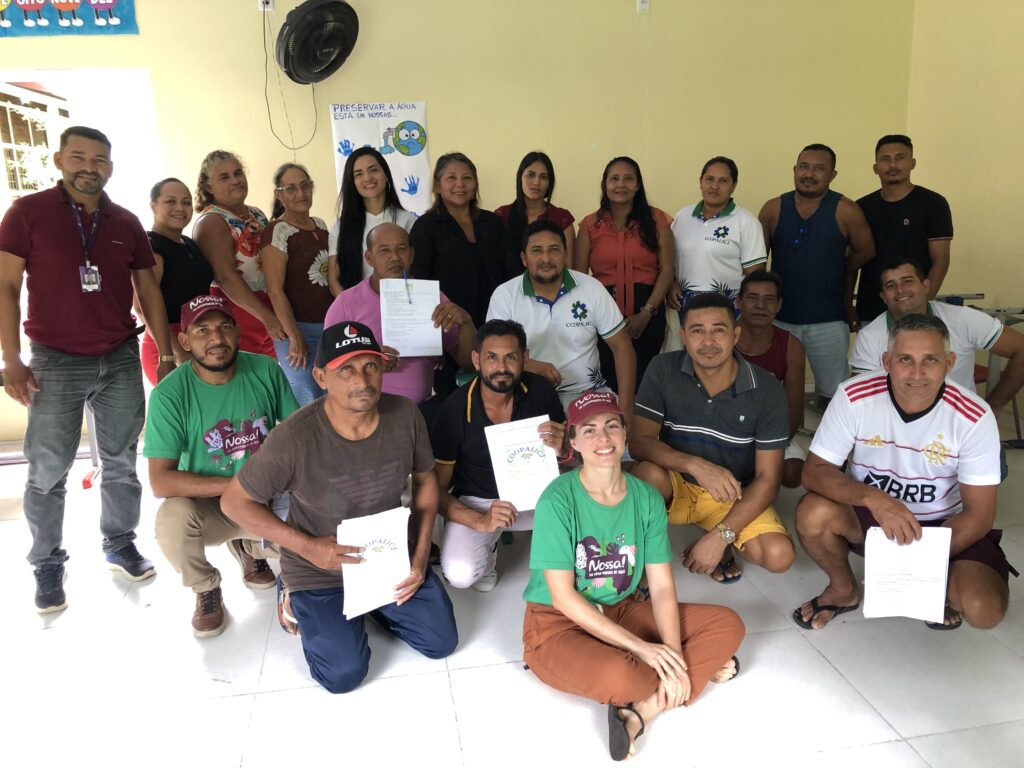
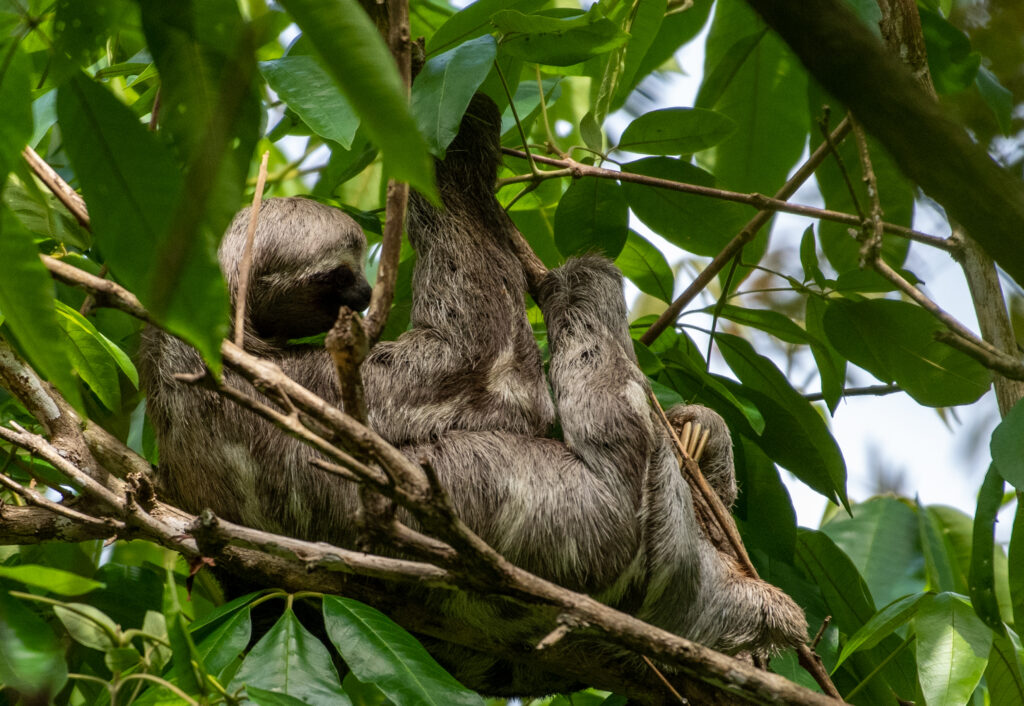
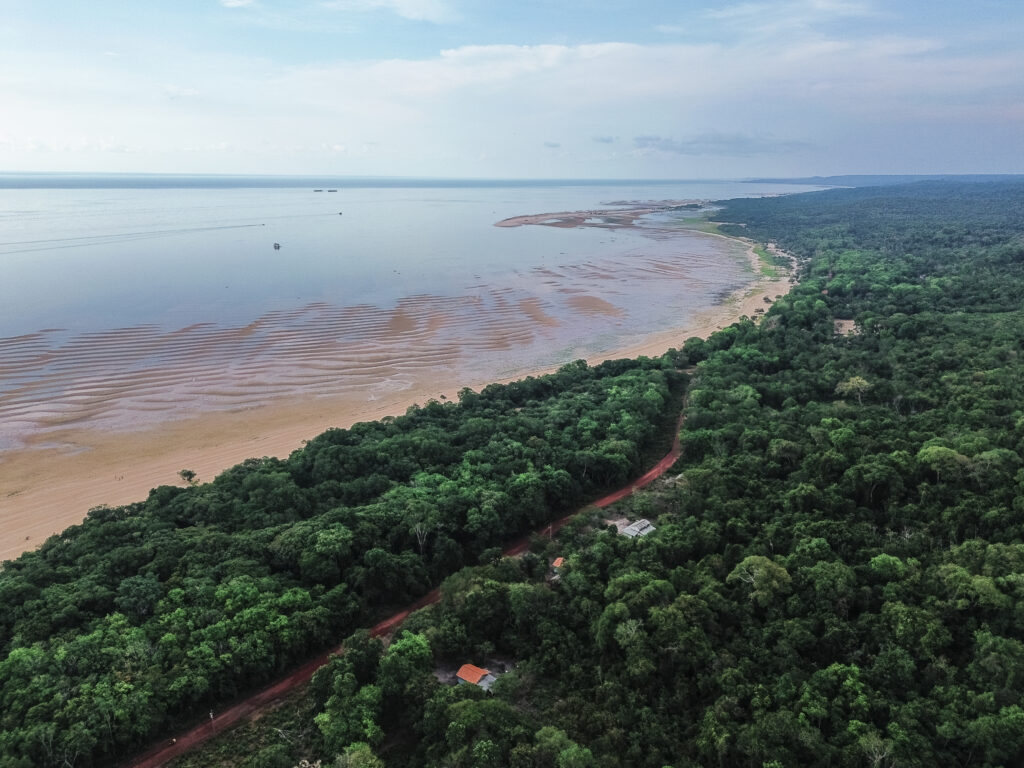
Left photo: Capacity building activity by Nossa Fruits @Nossa Fruits. Centre photo: A three-toed sloth (Bradypus sp.) is seen in the forest canopy in the Tapajós region in the Amazon, Brazil @Chris J Ratcliffe/WWF UK. Right photo: Aerial view of the Tapajós National Forest, in the community of Jamaraquá, state of Pará, Brazil @Gerdeson Oliveira/WWF Brazil.
Key numbers and impacts
- 12,000+ farmers trained in climate-resilient agricultural practices.
- 12 SMEs supported, with 2 concessional loans disbursed to scale sustainable businesses.
- $20.8 million in additional finance mobilized.
- 4,495 farmers in Ghana with increased incomes through cocoa pulp innovation.
- 617 hectares of monoculture coffee transitioning to organic agroforestry in Vietnam.
- 600 smallholders in Brazil targeted to increase açai productivity by 50%.
- 740 hectares of degraded land targeted for restoration with tropical almonds in Ghana.
- 4 priority landscapes supported – Central Annamites (Vietnam), Pará & Espírito Santo (Brazil), Kakum (Ghana).
Key numbers and impacts
At the heart of this collaboration is the recognition that climate resilience and biodiversity conservation cannot be achieved in isolation. A landscape approach brings together communities, businesses, governments, and civil society to create shared visions for sustainable land use. By strengthening governance, mobilizing finance, and building inclusive value chains, WWF and the LRF are helping landscapes become more resilient to climate change while supporting the livelihoods of millions of people.
From multi-stakeholder platforms in Vietnam to bioeconomy solutions in the Brazilian Amazon, these case studies highlight good practices such as:
- Linking public funding with private investment to reduce risk and scale solutions.
- Empowering cooperatives and smallholders to access high-value markets that will pay a premium for sustainable production.
- Promoting diversified agroforestry systems that increase resilience and biodiversity.
- Embedding conservation and nature-positive business models within long-term government planning.
A call to action
This report demonstrates that with the right partnerships, sustainable business models can deliver for people, nature, and climate. WWF and the LRF invite funders, policymakers, businesses, and civil society to explore these examples and join us in scaling up solutions that work.
Read the full report and be inspired by how finance and collaboration can transform landscapes into engines of resilience and sustainability: