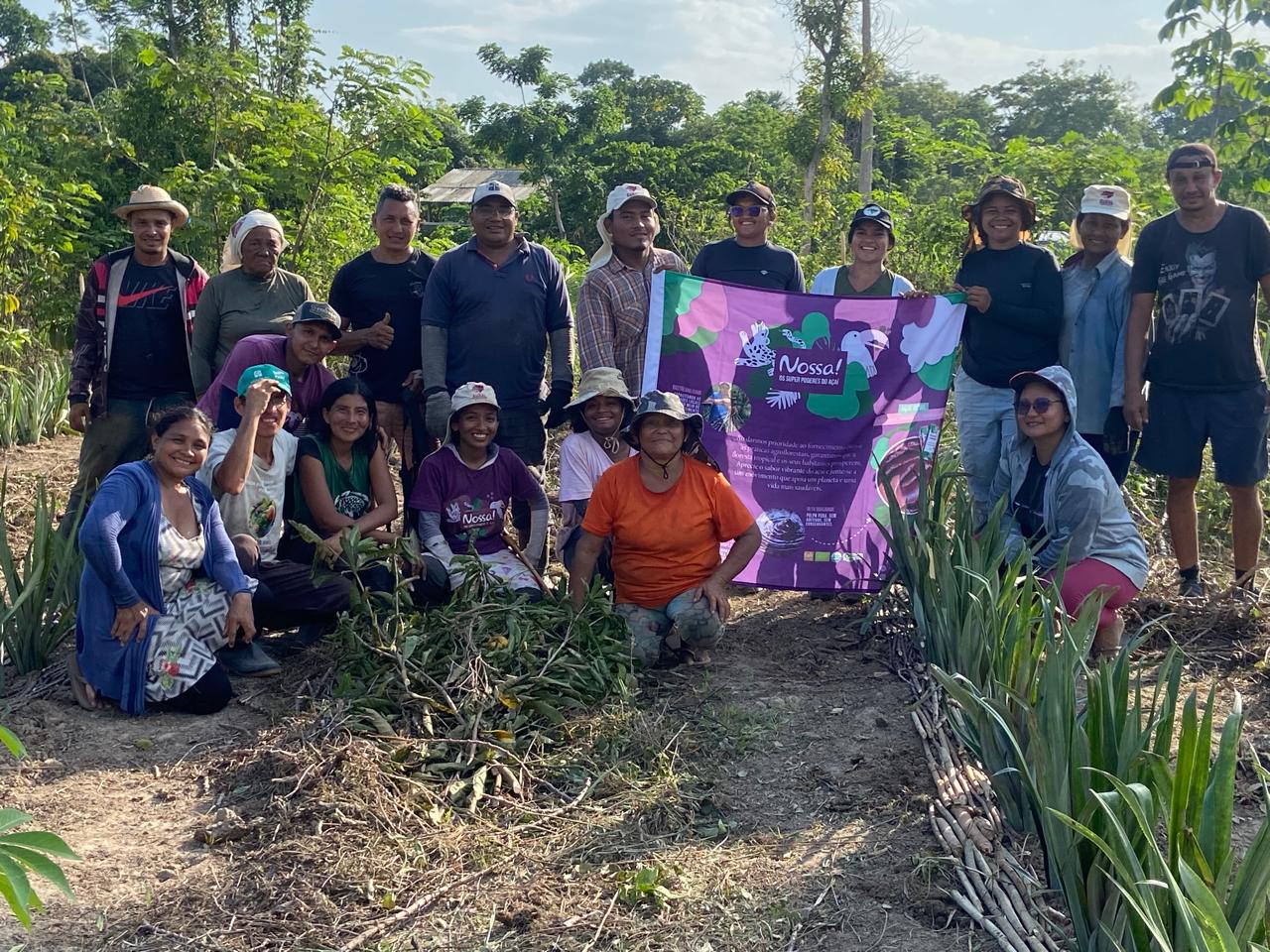
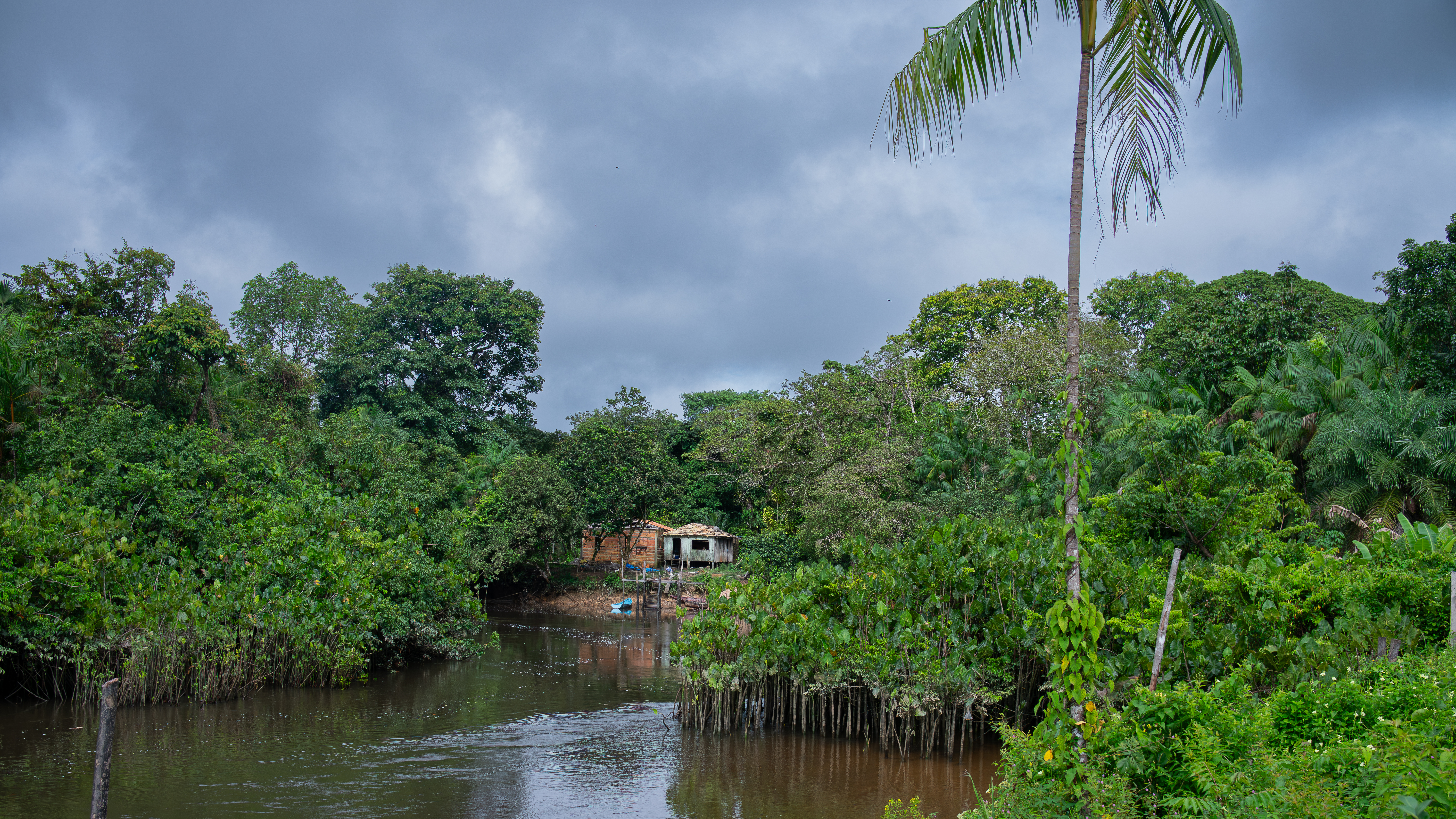
In the Amazon estuary of Pará State, açaí is much more than a fruit. It represents an important source of income, food security, and cultural identity for thousands of riverine families. As global demand for açaí continues to grow, so does the challenge of ensuring that its production contributes to forest conservation and the sustainable development of the communities that depend on it.
Nossa! Fruits is a small French company developing a transparent, ethical, and responsible açaí value chain, connecting Amazonian family farmers to international markets that value sustainable products. To achieve this, the business invests in technical assistance, cooperative strengthening, organic certification, and biodiversity conservation.
Previous technical support provided by the Landscape Resilience Fund (LRF) enabled Nossa! to develop its technical assistance approach focused on sustainable açaí production, creating the foundation for the expansion of activities currently being implemented in partnership with WWF Brazil and LRF.
In 2025, Nossa! directly supported 51 producers through the project, conducted 42 forest inventories, implemented regenerative management practices across more than 200 hectares, distributed 12 stingless bee hives for meliponiculture, delivered 14 training cycles, and supported the achievement of two organic certifications with community-based organisations. Today, Nossa! directly supports 227 family farmers in Pará State, working alongside community organisations and cooperatives, to promote sustainable production systems, expand income-generating opportunities, and improve market access.
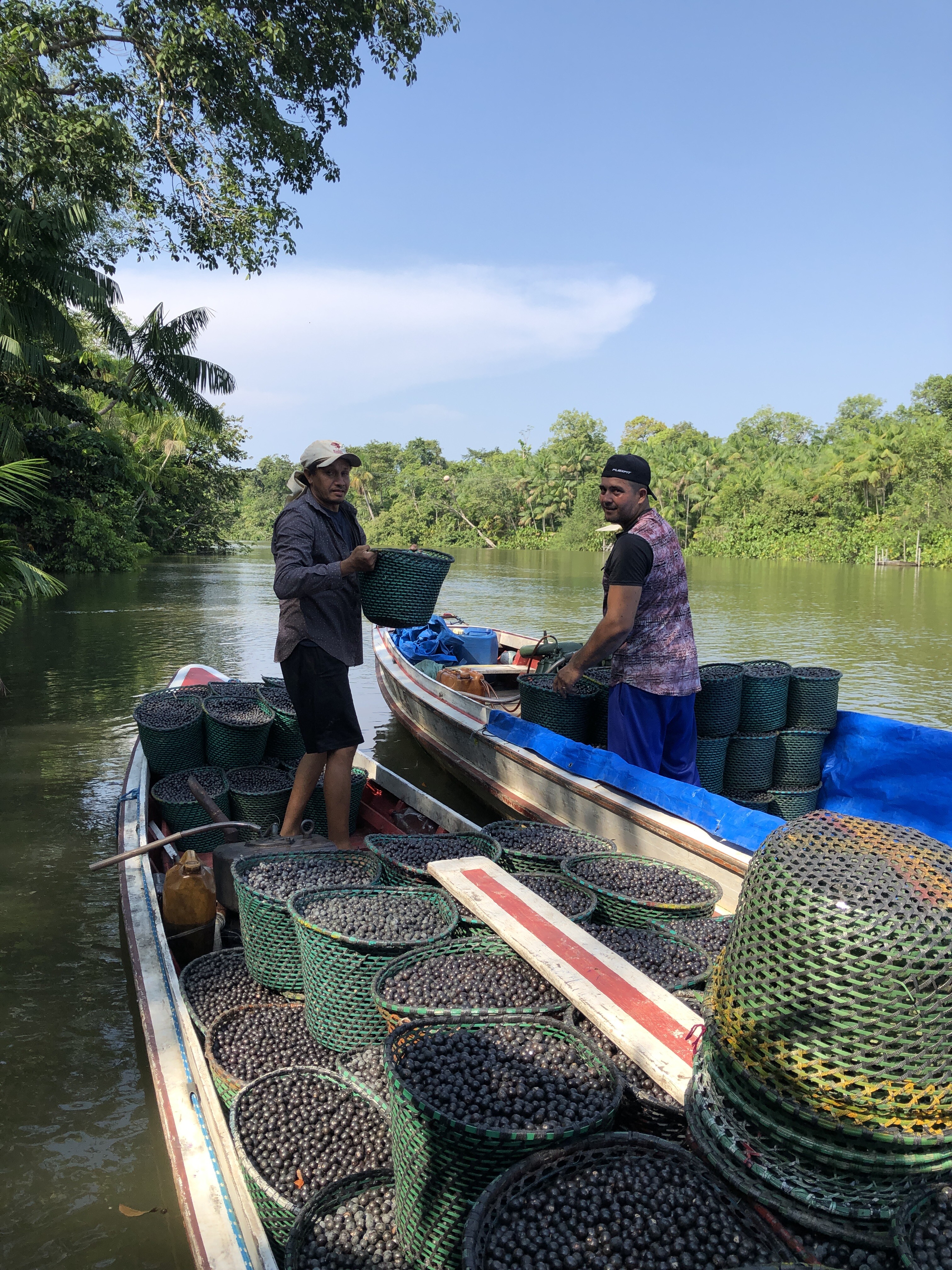
Producers transporting baskets of açaí for delivery to Nossa!. Photo credits: Nossa Fruits.
Local support for local development
Unlike conventional sourcing models, Nossa! maintains a permanent presence in the landscape, supporting community organisations throughout the year through technical assistance, training, production planning, and organisational strengthening.
Although açaí is the primary source of income for many Amazonian families, several challenges continue to limit its economic potential, including low productivity, limited access to technical assistance, and dependence on intermediaries.
To address these challenges, Nossa! has developed an integrated strategy for strengthening partner cooperatives and associations, providing training and technical assistance on topics such as low-impact açaí forest management, organic production, agroforestry systems, and cooperative governance and management.
Conserving biodiversity while increasing productivity
Açaí is produced within Amazonian floodplain forests, ecosystems recognised for their extraordinary biodiversity. However, increasing demand for the fruit has contributed in some areas to a phenomenon locally known as açaização (‘açaífication’), where forest diversity is reduced in favour of excessive concentrations of açaí palms or even monoculture açaí plantations.
Nossa! is working to demonstrate that productivity can increase without compromising biodiversity. The company’s technical assistance program is based on low-impact forest management methodologies developed from scientific research conducted by the Brazilian Agricultural Research Corporation (EMBRAPA) and adapted to Amazonian realities. Activities include forest inventories to count tree species, production diagnostics, and the development of individualized management plans for each producer.
These inventories identify opportunities to improve forest structure, optimize palm density, enhance light penetration, and conserve important native species. These species play a critical role in maintaining ecological balance within floodplain ecosystems while also representing future income opportunities for local communities.
According to research conducted by EMBRAPA, low-impact management of native açaí forests can significantly increase productivity without compromising forest diversity. While unmanaged areas typically produce between 1 and 2 ton of fruit per hectare annually, areas managed according to EMBRAPA recommendations can reach between 3 and 6 tons per hectare per year, depending on local conditions. This process is also recognized by local leaders who, over the years, have experienced different guidance on the management of açaí groves. As reported by Odair José Barra de Souza, Financial Director of COOPAIJCJ:
“One of the most remarkable moments for me was learning about açaí management. We are working to promote reforestation and species diversity, thereby improving both the productivity and quality of açaí.”
Diversifying incomes for increased resilience
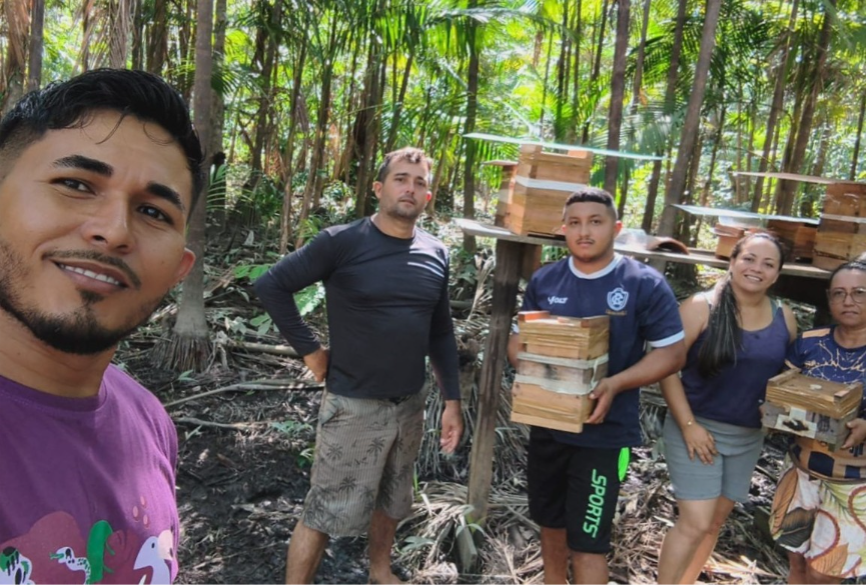
Beyond açaí production, Nossa! supports initiatives that help families reduce dependence on a single economic activity. One of the main strategies is the introduction of meliponiculture, the management of native stingless bees. Stingless bees are not known for high honey production; however, meliponiculture contributes to pollination services and biodiversity conservation. Participating producers receive technical training and bee colonies to implement the activity on their properties. For Gilson Pompeu Furtado, a COOPAIJCJ producer, the technical support and the possibility of multiplying the hives make the project even more relevant:
“It is a very interesting project. I really enjoyed working with the bees, and I want to keep multiplying them more and more. Regarding the benefits they have brought to the property, I noticed that production has already increased a little since the bees arrived, compared to last year’s harvest, and the harvest period was also slightly longer. Another important detail I noticed is that we had some fruit trees here, such as mango and coconut trees, that had never produced fruit before. Once the bees were introduced, these fruit trees began to produce and bear fruit.”
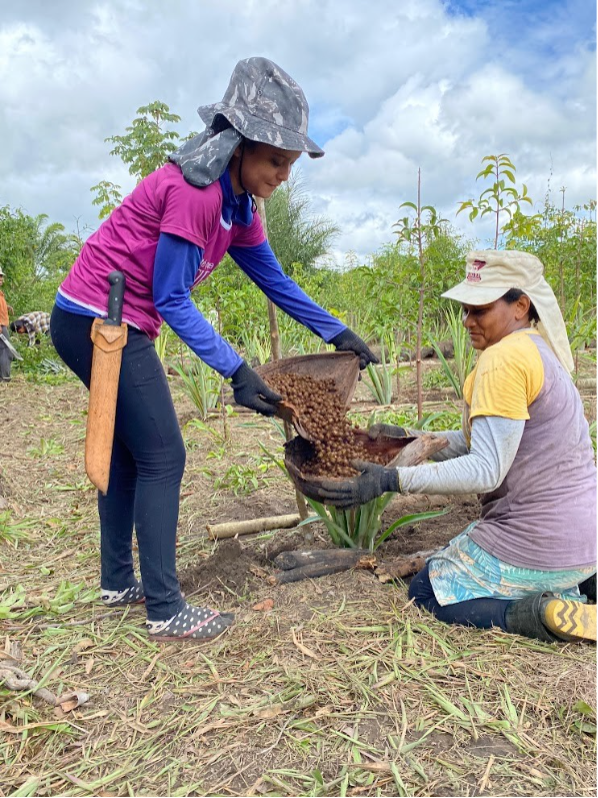
The company also promotes agroforestry systems and other initiatives aimed at food production and household food security, helping families become more resilient to climate change and market fluctuations. In 2026, thirteen agroforestry demonstration plots were already established with partner producers, contributing to production diversification, restoration of managed areas, and the long-term sustainability of local production systems.
Collaboration with WWF Brazil and the Landscape Resilience Fund
Support from WWF Brazil, funded by the Landscape Resilience Fund (LRF), is expanding both the reach and depth of Nossa!’s initiatives. The partnership is structured around four pillars:
1. Strengthening Cooperatives and Associations
Supporting the organisational development of partner cooperatives through governance improvements, strategic planning, financial management, and commercial strengthening.
2. Improving Forest Management Practices
Expanding technical assistance and training activities for family farmers, promoting more resilient and biodiverse production systems.
3. Supporting Non-Timber Forest Products (NTFPs)
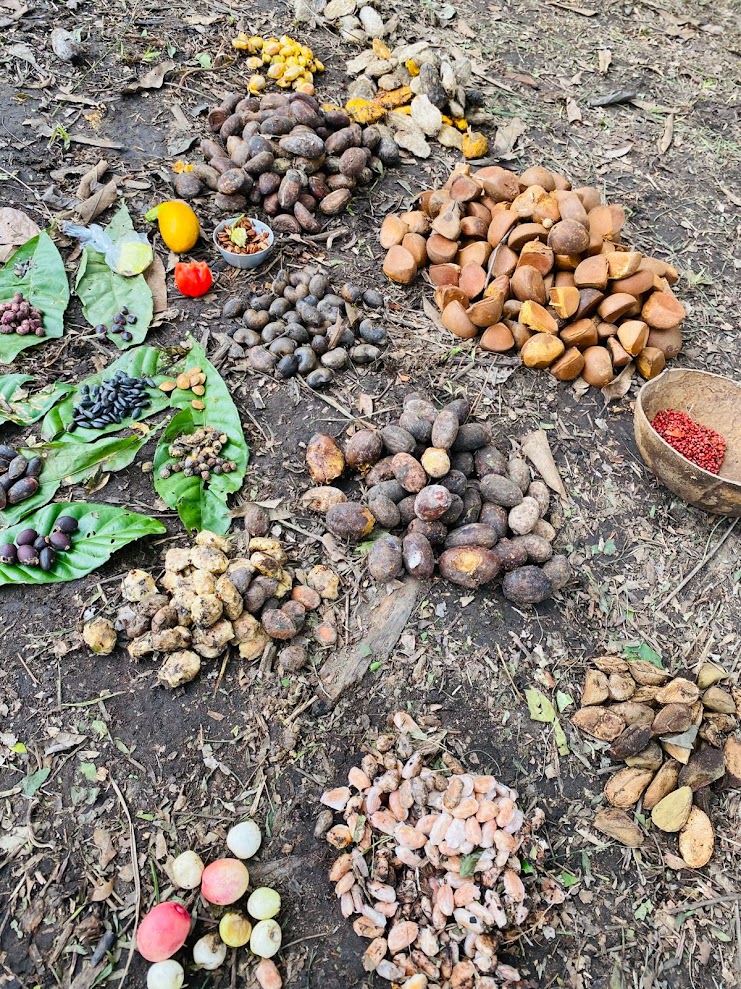
Identifying and developing new income-generating opportunities linked to Amazonian biodiversity, complementing the açaí value chain.
4. Expanding Organic Certification
Supporting producers and cooperatives in obtaining and maintaining organic certification, strengthening access to differentiated markets and increasing the economic value of sustainable production.
The role of SMEs for sustainable development in the Amazon
Small and medium-sized enterprises (SMEs) like Nossa! play a strategic role in the socio-bioeconomy of the Amazon by acting as bridges between local communities, and consumer markets. By connecting with sociobiodiverse value chains, such as oils, fruits, seeds, and extracts, these companies boost the local economy, contributing to income generation and the valuation of territories and livelihoods that historically protect these resources. More than intermediaries, they can purchase raw materials on a smaller scale and varied quality, a flexibility that large companies often do not have.
In addition, they can structure and strengthen value chains, especially non-timber forest products such as andiroba (Carapa guianensis) and cocoa, and expand local capacities and enable compliance with necessary commercial standards in partnership with local communities. Because they are more agile and closer to the landscapes, SMEs can incorporate fair trade practices, promoting traceability, benefit sharing, and understanding of the sociocultural dynamics of supplier communities. With this, they contribute to directing markets towards more ethical and inclusive models, capable of combining competitiveness with income generation and environmental conservation.
Nossa!’s experience demonstrates how SMEs can act as catalysts for the Amazonian bioeconomy by connecting traditional communities to international markets, financing technical assistance, supporting certification processes, and creating concrete economic incentives to keep forests standing.
For Bruna Oliveira Ferreira, Sustainability Manager at Nossa! Fruits, the company’s strategy begins with building sustainable supply chains for Amazonian fruits, based on long-term relationships with supplier organizations, forest conservation, and the empowerment of local communities:
“Açaí demonstrates this potential: it is a small fruit, deeply connected to the livelihoods of Amazonian communities, while also being internationally recognized for its benefits. Our strategy is to ensure that this value is shared with those who produce it, strengthening supplier organizations, keeping the forest standing, and building lasting partnerships that go beyond the harvest season and contribute to the future of the territories.”
Looking Ahead
The Amazon’s future depends on economic models that value conservation and strengthen local communities. Through collaboration among producers, cooperatives, civil society organizations, responsible businesses, and investors, the forest can become a lasting source of opportunity.
The partnership between Nossa! Fruits, WWF Brazil, and the Landscape Resilience Fund demonstrates that this future is already being built—one family, one cooperative, and one forest at a time.
—
Cover photo: APREMARMU cooperative members during the Agroforestry pilot on the Mupi River. Photo credits: Nossa Fruits.